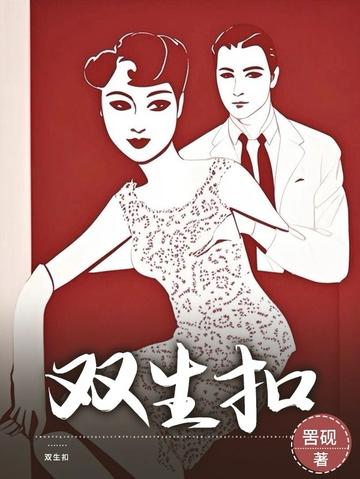
The tide overflowed Jiangnan in 1932, and Kang Chengwen drowned in the whirlpool of ethics and desire.
When he walked toward the deep sea holding Song Chunyun's plain handkerchief embroidered with honeysuckle patterns, the sea breeze was carrying the gardenia fragrance on Liu Meier's cheongsam, condensing it into the last drop of salt in the corner of his eyes.
When the eldest daughter of the Song family was copying "New Youth" in school, she always poked the tip of her pen into the silk cloth that her father had ordered her feet to be bound. The singer Liu Meier finished singing "A Dream in the Garden" on the stage, but she hooked the silk stockings on the rice paper that Kang Cheng's document was uncut. The lines of two women - one oozing with old blood, the other stained with new ink - simultaneously twisted into the bones of this down-and-out scholar, nailing him into a specimen of the fission of the times.
When Song's father's pigtails turned into prison bars, when Liu Mei'er's record crushed Kang Chengwen's marriage certificate, the hidden reef deep in the tide finally emerged: the ankles with red marks from the ethical code, the poems with scorched holes from the smoking gun, and the oaths pickled into amber with sea salt, all reflected the same proposition in the waves -
Is it the wave that is dismantling the knot, or is the knot itself the wave?