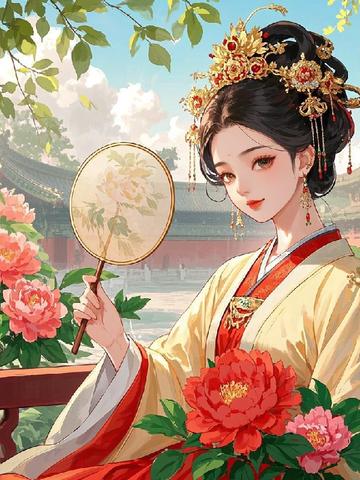
In ancient feudal society, the fate of women was often affected by the torrent of the times, and queens, as women standing at the top of power, their life trajectories were full of legends and helplessness. "One Hundred Queens in History" tells these stories to show the struggle and progress of women under the feudal system.
The book tells the story of Lu Pheasant, a woman who stood out in the feudal era where men were superior to women. She was originally Liu Bang's virtuous wife, but she gradually became tough in the complicated political struggle. When Liu Bang became emperor, Lu Fei not only had to face the competition for favor from many concubines in the harem, but also had to deal with the power game in the court. In order to consolidate her and her son's status, she spared no effort to kill heroes and support the Lu family, becoming the first woman to hold power in Chinese history. The story of Lu Pheasant allows us to see the struggle of feudal women in the face of the temptation of power, and the huge sacrifices they made for survival and family glory.
The book also introduces the eldest grandson of Emperor Taizong Li Shimin's wife. She is virtuous and virtuous. Although she is in the harem, she cares about the world. Empress Changsun knew that her words and deeds might affect the government, so she strictly demanded herself, corrected Li Shimin's mistakes in a gentle way, and actively supported him in establishing the Zhenguan rule. In her, we see the wisdom and mind of feudal women. Although they cannot directly participate in politics, they have a profound impact on the development of the country in their own unique way.
In the deep palace, their fate is tightly bound by feudal ethics and palace rules.