In 1973, China was still in a turbulent period. While under quarantine and scrutiny, educated youth Li Fengwen gave birth at home to her second daughter, named Shi Zhihui. Because the girl was slow to speak, the villagers looked down on her, constantly challenging her emotional limits and making her increasingly rebellious. To avoid being bullied by the villagers, she read books alone at home. She searched the riverbanks and grass for the flowers she had read about, and went fishing and shrimping with older children. This helped her intelligence and emotional maturity develop rapidly. Even as a child, she learned how to be alone and find happiness, immersed in her own world of gentle breezes and warm sunshine.
Her unusual family structure and the rural customs and prejudice she experienced firsthand made up a childhood education that left her struggling with confusion and distorted perceptions for a time.
Mother and daughter supported each other, struggling through a spiritual swamp. Their thoughts and awareness grew and awakened wildly, each along its own path.
Her mother faced hardship with unyielding determination. Her remarkable endurance and wisdom in dealing with the world forged in her a will to move forward fearlessly and defy fate. Bringing her mother back to the big city became a pact between their hearts.
Her grandmother died of stomach cancer, giving her the first experience of losing someone forever.
In high school, she transferred to Xi’an. With the college entrance exams approaching, terrible news arrived: her mother had died in a car accident. Her studies came to an abrupt end, and she returned to the place where she was born. With her dreams hanging far beyond reach and herself fallen to rock bottom, she once again began to gather the strength to rise from the ashes and fulfill their pact.
Told through a child’s perspective and social awareness, this book depicts the lingering effects of the Cultural Revolution, a mother and daughter’s struggle to defy fate, and their healing from trauma. It hopes to open up new perspectives for readers of all ages. Perhaps it offers a glimpse of a world the younger generation has never seen. This book is dedicated to all great mothers!
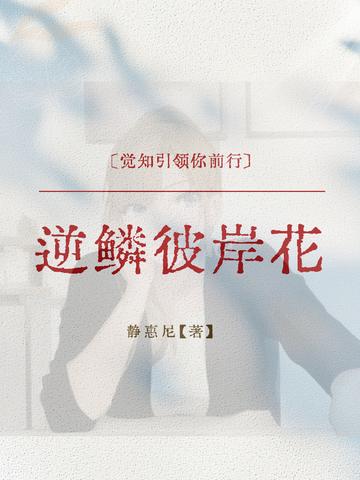
This book uses a child's perspective and social awareness to uncover a corner of society in the 1970s and realistically describe that troubled period. The educated youth who had no choice but to stay in the countryside trudged through the spiritual swamp. They think about the origin of suffering, the meaning of life, and firmly support their children's future with their indomitable will to fight. This is the process of the descendants of educated youth changing their lives against fate. Under certain circumstances, the thinking and consciousness of mother and daughter rapidly grow and awaken. Youth and childhood heal each other, warmth and gratitude achieve each other, making wishes come true and dreams come true. From the unfathomable maternal love that lasts forever until the flowers and leaves never meet again, the tragic and joyful lives of two generations. Find happiness in sadness, find direction and goal in suffering
The barbecue by the river is really delicious! The description is very visual. It seems to smell the sweet potato fragrance. Rural children are really capable of surviving 🤭 The duck eggs that Dazhi Namitai picked up from the river, or were stolen 🤭
This book is well written and feels very immersive [sending my heart][sending my heart][sending my heart]
The order of numbers such as Er Zhu Ma, Er Gu, Er Hui, Second Uncle, Second Brother, Second Aunt, Second Aunt, and Second Uncle appears very frequently. Is it a coincidence in reality or does it have a deeper meaning?