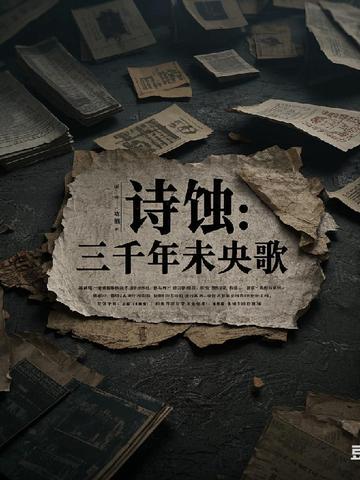
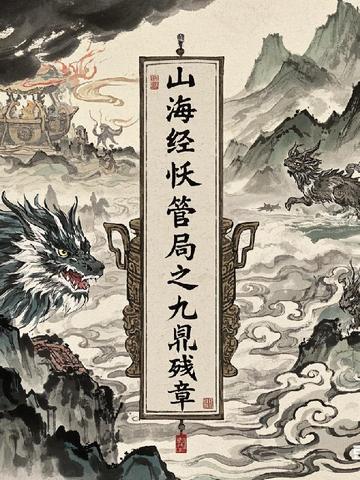
When the cracks in ancient bronzes become indexes to history, the plants, flames of war, and sighs that have slumbered in The Book of Songs awaken from mottled bamboo slips.
There is no sanctified “thought without depravity” here. Only a girl who gathered mulberry leaves and was buried alive on the banks of the Wei River; a defeated ruler gazing from the walls of Haojing as millet shoots grow wild; and the bones of tenant farmers buried alongside “The Seventh Month” in a torrential rain. We turn the blood-soaked marriage contract of “The Inconstant” into the diary of a woman on an assembly line, let the protest of “The Big Rat” cling to the steel frame of a skyscraper, and plant genetically modified rice before the grave of the idealist in “The Cypress Boat.”
Three thousand years of life and death, flourishing and decay, are no more than mayflies cycling through the same great drought. As rusted gears grind the feast of “The Deer Cry” to pieces, can you hear those names erased by the airs, odes, and hymns screaming anew through our throats?