The Book of Changes: A Many-Sided Interpretation of Ancient Wisdom
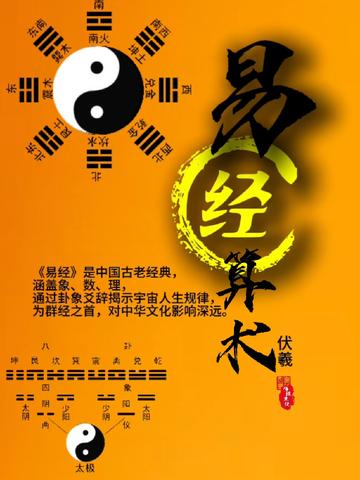
Hailed as “the foremost of the classics and the source of the Great Way,” the Book of Changes is an ancient Chinese classic steeped in mystery and profound wisdom. It originated in antiquity and has been passed down and developed over thousands of years, preserving the accumulated wisdom of countless generations.
The Four Pillars of Destiny is an important system of fate analysis derived from the Book of Changes. It is based on a person’s year, month, day, and time of birth, converted into the Heavenly Stems and Earthly Branches to form eight characters. These are used to infer the ups and downs of a person’s fortune and their personality traits. For example, by analyzing how the five elements in a birth chart generate or overcome one another, one can identify potential trends in a person’s career, wealth, and relationships. An abundance of fire in the chart, for instance, may indicate a passionate, energetic personality, though it could also mean being overly impulsive in some respects.
Feng shui is also closely connected to the Book of Changes. It emphasizes harmony between people and their surroundings, adjusting the orientation and layout of homes, workplaces, and other environments to create favorable energy and influence a person’s fortunes. For example, choosing a home site involves considering the surrounding mountains and waterways, while indoor layouts should take the placement of doors, windows, and furniture into account. Following certain feng shui principles is believed to attract good fortune and avoid misfortune.
As for fortune, the Book of Changes holds that everything is constantly changing, and a person’s fortunes are no exception. It offers a way to understand the patterns behind these changes, helping people stay positive during a downturn and wait for circumstances to shift, and remain cautious and prepared when fortune is on their side. The Book of Changes does not teach people to passively accept their fate. Rather, by understanding these patterns, they can actively adjust their own