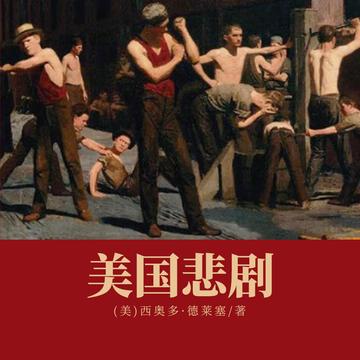
The novel is divided into three volumes. The story is based on a real criminal case that occurred in New York, USA. The male protagonist Clyde Griffiths is also based on a real person. Clyde grew up in a poor religious family and made a living preaching on the streets. The young and frivolous Clyde worked as a waiter in a luxury hotel in Kansas City. Due to his careless friendship, he indulged in drinking and sex all day long. In order to avoid trouble, Clyde went to New York to seek refuge with his uncle, and fell in love with Roberta Alden, a pure and kind poor female worker. Later, Clyde met the beautiful daughter Sandra Finchley, which was enough for him to escape poverty and enter the upper class world. Soon, Roberta became pregnant and even asked to marry Clyde secretly. Choose a poor working girl or a rich girl? In desperation, Clyde came up with the idea of murdering Roberta, but he wavered at a critical moment. Unexpectedly, things did not go as expected, and the female worker died unexpectedly at this time. Subsequently, Clyde fell into law and faced the verdict. The United States is holding an election, and prosecutors targeting the position of justice are putting pressure on investigators to prove that Clyde is the murderer. After his assistant fabricated evidence and his lawyer made huge sums of money, Clyde still couldn't escape the electric chair. God could not save him, and his parents still denounced worldly material desires and praised God's mercy. Is it the American Dream or the American Tragedy? This novel will give you the answer. The novel profoundly demonstrates the money-oriented, desire-inflated outlook on life and general sense of disillusionment in Americans at the beginning of the 20th century. In 1929, the novel was found guilty of violating the Massachusetts Anti-Obscenity Act and banned due to its depiction of prostitutes' sexual behavior. This was the case of Prosecutor v. Fred (Donald Fred was a New York publisher).