Five hundred years later, the frozen truth begins to breathe.
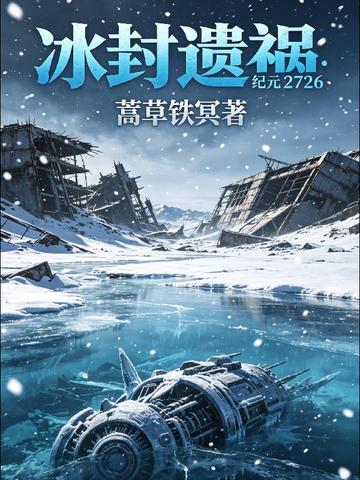
In the year 2726, the long shadow of global nuclear pollution has not yet dissipated. At the extremely cold peak of Karakoram, the scientific expedition team unearthed a body that "should not exist" from the ice of 150,000 years ago - the ice core contains isotopes from modern nuclear disasters, but the same ancient imprints as humans are engraved deep in the genes of the humanoid remains.
It wakes up.
It's not a corpse, it's a "seeder" that has been dormant for countless ice ages. It communicates in an incomprehensible way, conveying the call of "home" and a seventy-two-hour countdown to destruction. At the same time, the same alarm is heard in fourteen frozen restricted areas around the world: ancient remains are being activated one after another, and a strange virus is awakening sleeping fragments of human DNA, turning infected people into returning "pilgrims."
Lin Shen, the captain of the scientific expedition, is in a desperate situation: on one side is the cold order of "destroy at all costs" from the headquarters, and on the other side is the obscure warning about "return" and "extinction" issued by the remains. The countdown has begun. The ice is melting, the guards are awakening, and the answer is buried in a deep cold that is older than human civilization.
Seventy-two hours to either find a way home or face the end of civilization.
Reader comments
After global nuclear pollution, how did humans survive until 2726?
After global nuclear pollution, how did humans survive until 2726?