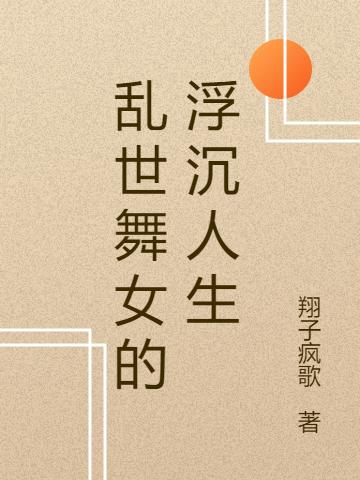
In the turbulent years of the early 20th century, Wu Aizhu's life was like a floating duckweed. Wenxiu, the daughter of a Tianjin pastor, married Wu Shanfu, the son-in-law of the family, due to family changes. Later, Wu Shanfu's desire for a son caused the family to break up. Wu Aizhu became a dancer to support the family. She struggled to survive in dance halls in Peking and Tianjin, but lost her support due to the turbulence of the current situation and the "ban on dance". She went to Hong Kong's dance halls to make a living. During the process, she encountered various hardships and humiliations, and was deceived into signing a contract by her husband Kim Xi-en. In Hong Kong, she relied on her dancing skills and charm to become a mainstay in the dance hall, but she still faced darkness and danger. Later, she returned to Peking because she missed her family and longed for the future. However, the family conflicts remained and her life did not improve. She had no choice but to go to the Tianjin dance hall, but fell into a complicated emotional entanglement with lawyer Li Maocheng. After giving birth to her son Maomao, the situation in Tianjin became tense, and she was forced to leave Li Maocheng and go to Shanghai. In the Shanghai dance hall, she and her sisters struggled to survive and witnessed the tragic fate of many dancers. She always cared about her family. After that, she went to Hong Kong again, but Zhang Ping caused another stir. Zhang Ping took her to Shanghai and got her involved in a complicated political whirlpool. After Zhang Ping fled, Wu Aizhu's life fell into trouble. Fortunately, she was helped to open a sewing shop in Chengdu. After Chengdu was liberated in 1949, Wu Aizhu reunited with her family one after another, and her life ushered in new hope. She actively integrated into the new society and started a new life. Finally, she was happily reunited with her family in Beijing, and her son Maomao also had a new life. The whole story shows Wu Aizhu's life of constant struggle for her family and life in troubled times, as well as her maternal love and responsibility to the family that she persisted in the suffering, reflecting the helplessness and tenacity of the little people under the torrent of the times.