Overview:
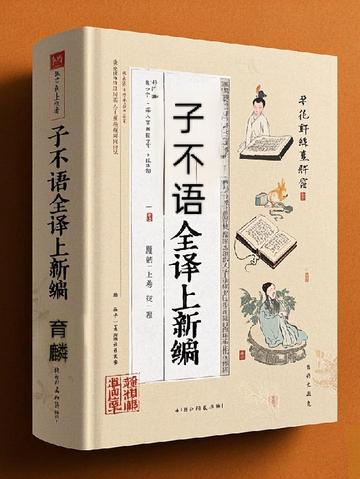
- Source and meaning of the title: The title, Zibuyu, comes from the Analects, “The Master did not speak of the strange, the forceful, the disorderly, or the supernatural,” indicating that the book records things Confucius did not discuss. Much of its content comes from stories told by the author’s relatives and friends, official gazettes and documents, or other books.
- Themes: Through all manner of strange tales, the book explores a range of ideas. Some expose how Daoist priests and others use religious superstition to swindle people, as in “Judge Li.” Some use ghosts and monsters to oppose feudal ethics and asceticism, as in “The Novice Thinks of a Tiger.” Others use stories to criticize the flaws of the imperial examinations, Neo-Confucianism, and textual scholarship, as in “Li Zhuo” and “The Qilin Cries Injustice.” Still others reveal corrupt officialdom and declining public morals through uncanny tales, such as “The City God Gets Drunk.”
- Style: The writing is unadorned, with a natural, flowing narrative and varied structure. Often, just a few words leave a lasting impression. Some stories have winding plots and lively narration, such as “An Official’s Obsession” and “Wu the Bearded.”
- Examples from the first volume: It includes selections from Volumes One through Eighteen. Volume One features “Judge Li,” “The Scholar Cai,” and “A Nanchang Gentleman,” while Volume Two includes “Zhang Yuan’s Wife,” “The Butterfly Monster,” and “Bai the Second.” Volume Three features “The Heroic Crown Prince,” “Scholar Qiu,” and “Old Ma Touches the Dragon.”