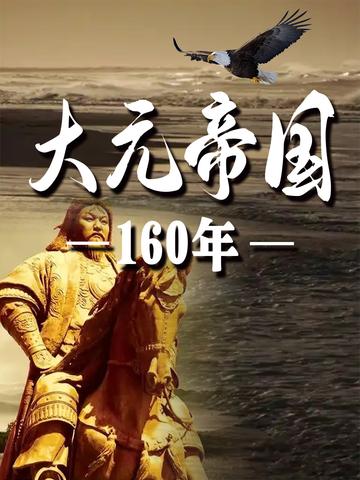
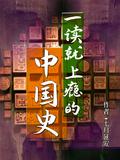
In 1206, the Great Mongolian Kingdom was established. In 1271, Kuhan changed the name of his country to "Dayuan". During the Yuan Dynasty, the unified multi-ethnic country was further consolidated. Its territory exceeded that of previous dynasties. It pioneered the political system and had a profound impact on the society of the Yuan Dynasty and the subsequent Ming and Qing Dynasties and modern times. The commodity economy and overseas trade were more prosperous, and Beijing and Quanzhou became truly international metropolises. The cultural form became more secular, and freedom of religious belief made cultural exchanges more extensive. Many casual historians like to use words such as cruelty, corruption, and darkness to describe the regime established by this nomadic people. It is undeniable that the Mongol Empire conquered the East and the West with iron blood and brought war to many regions. But beyond the logic of farming culture, look at it from a broader perspective: The empire that conquered Asia and Europe, and connected the East and the West, brought the world into the true era of globalization for the first time and accelerated the process of world integration. This book comprehensively analyzes the rise and fall of the Mongol Empire from the political, military, cultural, and economic perspectives, presenting a comprehensive and three-dimensional view of the Yuan Dynasty.
This book includes the story of the steppe eagle Temujin, the sudden death of his father at the age of nine, Temujin remembering his mother's teachings, making friends with Borshu, and escaping from death and finding a good relationship.