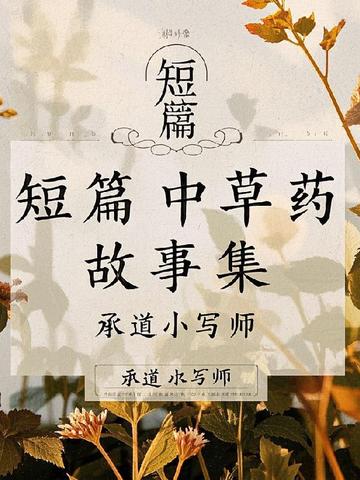
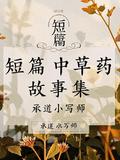
A Collection of Short Stories About Chinese Medicinal Herbs
短篇中草药故事集
- Status
- Ongoing
- Length
- 5.5M Words
- Genre
- Urban
- Subgenre
- Urban Farming
- Updated
- 2d ago
- Source
- Fanqie
Synopsis
719Chapters
8Reads
1Listens
4.9kReads · all time
More by this author

In booklists 4
Another Novel on Tomato Novel with a 9.9 Rating
I wonder if Tomato Novel has any masterpieces rated 10.0?
547Books8.3MViews6dUpdated
Books About Studying
55Books381.9kViews29dUpdated
Books About Traditional Chinese Medicine
I want to read books similar to Fifty Years in the World of Traditional Chinese Medicine.
24Books27.3kViews2moUpdated
A Legendary Reading Slump: Over 200 Books on My Shelf, and I Can't Get Into a Single One
Looking for books like Naruto: Getting Stronger by Becoming a Tragic, Beautiful Supporting Character. Please recommend stories with two male leads.
170Books2.8kViews1yUpdated
Reader comments 1
Translated by Google Translate
"Collection of Short Chinese Herbal Medicine Stories" written by Chengdao Xiaoshu is a unique way, using stories as a carrier to lead readers into the mysterious world of Chinese medicine. The book uses common traditional Chinese medicines such as Morinda officinalis and Morinda officinale as clues to weave a series of stories full of life. Each story cleverly incorporates the growth environment, efficacy, and taboos of traditional Chinese medicine. For example, Zhang Gong used Morinda officinalis to treat Aunt Li's illness, allowing readers to intuitively feel the magical effect of Morinda officinalis in replenishing kidney and yang, and at the same time, they also remembered the knowledge that it should not be used by those with yin deficiency and excessive fire. This entertaining and educational method is very clever. The author's writing style is simple and natural, and the characters are vivid. Whether it is the doctor with superb medical skills and great love, or the simple and kind-hearted villagers, they all come alive on the page. The scenes of the story are delicately described, from quiet villages to mysterious mountains and forests, giving readers an immersive feeling. However, some of the stories are a bit stiff in plot twists, which weakens the smoothness of the reading. But overall, this book is of great significance in spreading knowledge about traditional Chinese medicine. It is suitable for readers who are interested in traditional Chinese medicine culture. They can gain knowledge through interesting reading and feel the profoundness of traditional Chinese medicine culture.