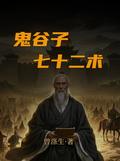
The Seventy-Two Stratagems of Guiguzi is a captivating novel built on the foundations of history and animated by the spirit of strategy. It weaves Guiguzi’s seventy-two strategies into the turbulent history stretching from the Warring States period to the Three Kingdoms.
“Success lies in controlling others, not in being controlled by them. Those who govern others hold power; those who are controlled by others have their fate in someone else’s hands.” The characters in this book display extraordinary wisdom through these principles. In warfare, Han Xin understands the value of “crossing the Chencang secretly.” “The way of the sage is open, the way of the fool is hidden. The sage’s method lies in concealment and secrecy.” On the surface, he appears to hold back his troops, while secretly laying his plans. He breaks through Xiang Yu’s blockade by surprise, laying the foundation for Liu Bang’s rise to power. In politics and diplomacy, when Zhuge Liang allies with Wu to resist Wei, he employs the “castle in the air” stratagem, persuading Sun Quan with a vision of a brighter future. “Those who embellish their words do so to deceive; deception can bring either gain or loss.” With eloquent words, he paints an ideal picture and forges the Sun-Liu alliance, turning the tide at the Battle of Red Cliffs.
In choosing his people, Liu Xiu follows the wisdom of “drawing talent from every walk of life,” welcoming capable people without prejudice or convention. “Assess their authority and abilities to seek those far away and find those close at hand. Once their strengths have been identified, they can be challenged, sought out, and put to use.” His ranks brim with talent, and he ultimately founds the Eastern Han dynasty. These strategies shine like stars across the sky of history. Whether winning battles, navigating diplomacy, or governing and selecting talent, they demonstrate keen insight into circumstances, a deep understanding of human nature, and remarkable flexibility. They reveal the boundless wisdom of Guiguzi’s seventy-two stratagems and leave readers in awe.
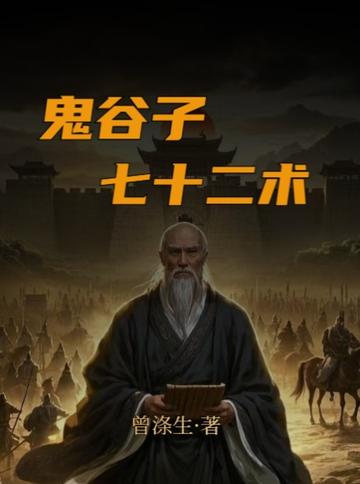

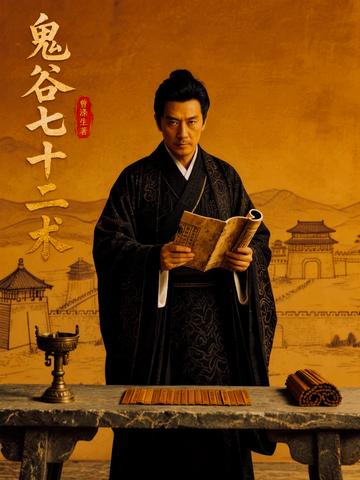
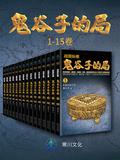

I just finished reading Chapter 6 today, and I would like to briefly share some of my feelings; "Gui Guzi's Seventy-two Techniques" begins with Gui Guzhimo as his pen, outlining the turbulent situation during the Warring States Period. From Chapter 1 to Chapter 6, the author skillfully combines historical background and resourcefulness to present exciting strategic games. In terms of story content, each chapter is closely connected and progresses layer by layer. For example, Tian Ji, the general of Qi State, used the technique of "Ru Guan Ru Gua" to arrange suspicious troops, make good friends with Chu State, and confuse Wei and Zhao, showing his ingenuity and wisdom. King Zhao Wuling of the State of Zhao promoted "Hufu riding and shooting", interpreting "the impermanence of heaven and earth", breaking through tradition, and strengthening the army and the country. These stories vividly demonstrate the use of resourcefulness in different situations, allowing people to deeply understand the key influence of strategy on the direction of the situation. In terms of characterization, the author successfully portrayed historical figures with different personalities. Tian Ji was calm and resourceful and good at seizing opportunities; King Wuling of Zhao was decisive and brave in innovation. They used their wisdom and wisdom according to the situation to lay the foundation for national development, and their images are vivid on the paper. The highlight of this book is that it deeply analyzes Guiguzi's strategic thinking through detailed explanations of wisdom and wonderful historical stories, allowing readers to clearly understand the connotation and application of wisdom, and inspiring thinking. The language is concise and smooth, and the narrative is vivid, making complex history and wisdom easy to understand and fascinating. In short, the first six chapters open a door to the world of wisdom for us, not only allowing us to appreciate the splendor of history, but also to draw wisdom from it. It reminds us that when facing difficulties, we must have insight into the situation, be flexible and adapt to situations, and use wisdom to break through the situation and achieve our goals. Highly recommended to history buffs and readers seeking wisdom in life. Looking forward to the author's exciting chapters in the future
Very good books