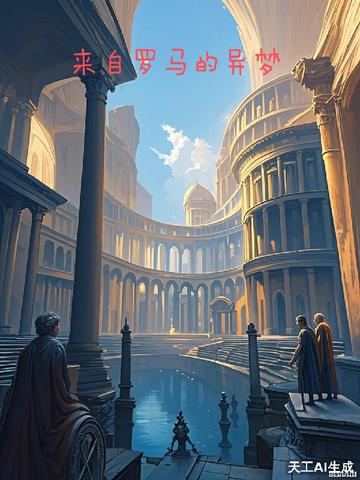
Eagle of Byzantium, Also Known as Reborn in the Macedonian Dynasty
鹰扬拜占庭又名重生之马其顿王朝
- Status
- Ongoing
- Length
- 624k Words
- Genre
- Historical
- Subgenre
- Historical & Ancient
- Updated
- 1d ago
- Source
- Fanqie
Synopsis
Other names
- A Strange Dream from Rome来自罗马的异梦Alternate title on Fanqie
137Chapters
8Reads
3.9kReads · all time
In booklists 7




Looking for High-Quality Historical War Novels
787Books35.9MViews11hUpdated





Medieval Western Setting, Slavery, and Lords
451Books14.5MViews22hUpdated



My Five Favorite Historical Novels
707Books7.1MViews1dUpdated





Any Novels Featuring Heavy Armor and Powerful Bows?
Looking for books like Ming Dynasty: With Supplies Secured, I Crush All the Tribes.
263Books17.9MViews1dUpdated




Mount & Blade, Mount & Blade, Mount & Blade
Everyone in the world transmigrates into Mount & Blade II
139Books3.2MViews2dUpdated





Pure Military Fiction: Battles Between Ancient Armies and Legions
Military and war
540Books32.2MViews10dUpdated





Please Recommend Great Novels About Medieval Lords Waging War!!!
259Books4MViews21dUpdated
Reader comments 4
Translated by Google Translate
This book is not a specialized popular science book. Although I think the author must have read the book Medieval People, you cannot tell the fallacy that serfs are the majority. First of all, since Alexios bound Proniers to peasant land, the term serf has not existed in the empire. It must be said that it refers to slaves and prisoners of war. For example, Justinian II moved 30,000 Slavs to western Asia Minor to cultivate land. Few people became free farmers, but they were not even tenants and could only be regarded as slaves. Tenant farmers were in the same contract system as in the late classical period and the early Middle Ages. This was exactly the same as in Normandy in the 9th century, and there was no mandatory requirement. Tenants can be replaced directly after they finish cultivating the land. "There are too many serfs" is actually caused by the acquisition of land in the military area by the church. There are too many factors in this regard. Anyway, it is impossible to provide enough soldiers, and secondly, the government is also happy, because a soldier who is exempted from military service has to pay 30 nomisma (here is the data from the time of Constantine I, but the change should be great at this time, so it can be ignored, but it is still expensive). The money could be spent on professional soldiers instead of mercenaries. The Varangian Guards were initially given by the Grand Duke of Kiev, and Basil paid for them out of his own pocket. During the period of Nikephoros II, he mobilized many professional troops to the border areas of Anatolia in preparation for expansion. Where did this money come from? (Too much talk) Most of the lands of the earthly nobles were in inland places with beautiful water and grass, not for any reason but because there were few people. Only a few of them, like Bardas (an internal affairs official in the 10th century), had large estates near the city (he had a 725-hectare manor outside Miletus). This comes primarily from church "donations." Because farmers cannot sell their land, the Agricultural Law also favors farmers.
Increase knowledge, but because I don't know much about the history at that time, it is a bit difficult to read!
What is it about? After reading Chapter 18, if you don't get into the main plot, it's honestly difficult to get into it.
Why are there so many memoirs?