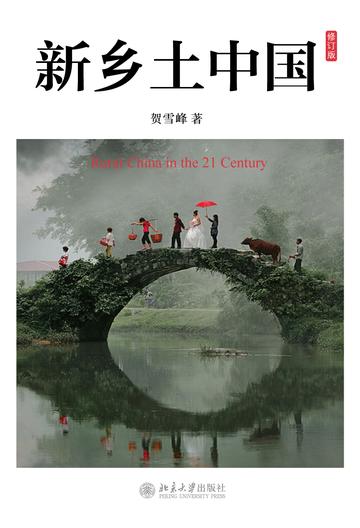
Around the turn of the century, great changes occurred in China's rural areas at almost the same time on three levels: First, in 2006, the state abolished the agricultural tax that had lasted for thousands of years, which led to great changes in the relationship between the state and farmers; second, under the dual impact of the revolutionary movement and the market economy, the social infrastructure that formed the basis of the endogenous order in the countryside rapidly disintegrated, resulting in changes in the rural infrastructure; third, the concept of inheritance, which had always formed the basis of farmers' world of meaning and life value, began to be lost, leading to changes in farmers' values. These three changes are almost all changes that have not happened in thousands of years, and they all happened around the year 2000. This allows us to understand the new "rural China" in a more specific time and space.