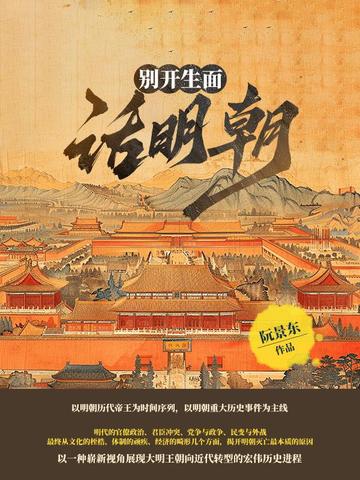
Taking the emperors of the Ming Dynasty as the chronological sequence and the major historical events of the Ming Dynasty as the main line, it tells the story of the Ming Dynasty's bureaucratic politics, conflicts between emperors and ministers, party and political struggles, civil unrest and foreign wars. Finally, it reveals the most essential reasons for the demise of the Ming Dynasty from the aspects of cultural shackles, institutional ills, and economic deformities.
In addition, the writing perspective of the manuscript also shifts from the temple to the folk, describing the enlightenment thought, humanism, market culture, party societies and citizen movements, and the rise of the commodity economy in the Ming Dynasty, showing the grand historical process of the Ming Dynasty's transformation into modern times from a new perspective.