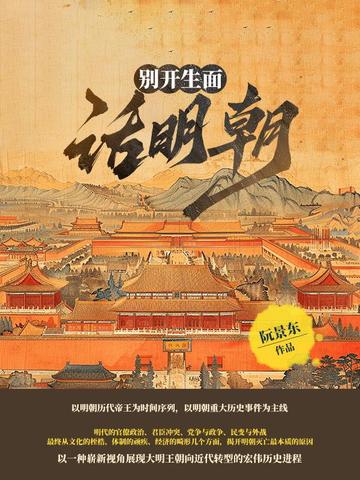
Using the emperors of the Ming dynasty as its timeline and major historical events as its central thread, this book explores Ming bureaucratic politics, conflicts between rulers and ministers, factional and political struggles, popular uprisings, and foreign wars. It ultimately uncovers the most fundamental causes of the dynasty's fall: cultural constraints, systemic ills, and a distorted economy.
Beyond this, the book shifts its perspective from the imperial court to ordinary people, discussing Enlightenment thought, humanism, urban culture, political associations and civic movements, and the rise of the commodity economy in the Ming era. From this fresh perspective, it reveals the grand historical process by which the Great Ming Empire transformed toward modernity.