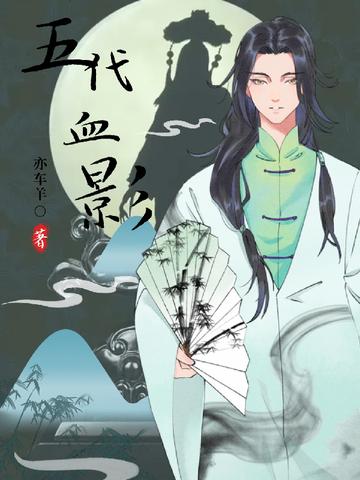
Programmer Li Yi died suddenly after staying up late. When he opened his eyes, he fell into a pile of corpses in Youzhou in 934 AD. He thought that the Five Dynasties and Ten Kingdoms were just a few pages of ink in history books. It was not until he saw Khitan cavalry sharpening their knives with babies and refugees eating each other's internal organs for half a piece of bran cake that he realized that even "people eating people" in this era was not a metaphor. There is no system blessing, no domineering aura, only the left ear pierced by arrows, the moldy grass roots around the waist, and the poisonous bone awl in the sleeves. From the refugee camp where children were exchanged for food to the city of Yedu where living people built walls, he crawled between the blades of warlord fangs, ate among the piles of bones after the locust plague, and was even forced to join the cannibal army in exchange for a handful of salt. "I want to live, even if I live like a maggot." But when he found that the eyes of the orphan girl he saved gradually became as cloudy as his own, he finally tightened his grip on the dagger polished with twenty-three human teeth - on this river of bones soaked in blood, there was always something more important than living.
Reader comments
In troubled times, when a hero meets his end, Li Yi's escape journey is like a magnificent and tragic historical scroll.
The author uses delicate brushstrokes to outline the background of the era of war and broken mountains and rivers, and closely connects his destiny with his family, country and world. It makes people deeply moved when reading it.
The writing is simple and elegant, poetic and picturesque. "The setting sun is like blood, sprinkling on the ancient city wall." The opening scene draws the reader into the chaotic world of war and iron horses, and they are instantly immersed in it.
Between the lines, there is a long and lasting charm of ancient style. Whether it is the words and deeds of the characters or the layout and description of the scenes, they all follow the ancient style, making the whole story filled with a strong historical atmosphere, as if traveling through a thousand years and experiencing that thrilling period in person.
Li Yi's character creation is vivid and full. Li Yi had great ambitions, but was forced to flee the world due to the uncertainty of the world. His inner struggle and confusion about the future are delicately presented in the author's writing.
His will for revenge is rock-solid and shining, becoming a warm and bright color in this troubled world.
On the way to escape, he encountered encirclement and suppression by officers and soldiers, or encountered dangers in rivers and lakes. Every crisis was surrounded by dangers, but he relied on wisdom and courage to turn danger into safety, showing his indomitable will and perseverance.
The plot has ups and downs and is exciting. From the initial escape, to the thrilling dealings in Xiangzhou, to the resolute move forward after taking the wrong path to Linzhang County, there are many obstacles and obstacles along the way.
The imperial court followed him like a shadow, and Jianghu forces also disturbed him. However, he never gave up the hope of survival and struggled to find a chance in the predicament.
In the meantime, historical events such as the destruction of Shu in the Later Tang Dynasty are interspersed, which makes the story grand and broad, allowing readers to deeply feel the changes of that era and the turbulent historical torrent.
Every turn is unexpected, every battle is thrilling, making people unable to put down the book.
The novel is not only a personal escape legend, but also a profound reflection on troubled times.
In that turbulent era, one's personal destiny drifted with the tide, making it difficult to control one's own destiny.
The situation in the world after Li Cunxu destroyed Shu, and the ebb and flow of various forces, all reflected the impermanence and cruelty in troubled times.
Li Yi's struggle under this giant wheel of history highlights the brilliance of human nature and the unremitting pursuit of freedom and justice.
Although he is a small person, he writes his own magnificent chapter in the great era, which makes people unable to help but be moved and admired.
With its exquisite ancient style writing, vivid characters, ups and downs of the plot and profound historical reflection, this book can be called a rare masterpiece.
It leads readers to appreciate the vicissitudes of troubled times, and to feel the heroic ambitions and helpless lamentations of heroes. It is truly a spiritual feast for lovers of classical Chinese novels, and it is worth savoring repeatedly, cherishing and reading carefully.


In troubled times, when a hero meets his end, Li Yi's escape journey is like a magnificent and tragic historical scroll. The author uses delicate brushstrokes to outline the background of the era of war and broken mountains and rivers, and closely connects his destiny with his family, country and world. It makes people deeply moved when reading it. The writing is simple and elegant, poetic and picturesque. "The setting sun is like blood, sprinkling on the ancient city wall." The opening scene draws the reader into the chaotic world of war and iron horses, and they are instantly immersed in it. Between the lines, there is a long and lasting charm of ancient style. Whether it is the words and deeds of the characters or the layout and description of the scenes, they all follow the ancient style, making the whole story filled with a strong historical atmosphere, as if traveling through a thousand years and experiencing that thrilling period in person. Li Yi's character creation is vivid and full. Li Yi had great ambitions, but was forced to flee the world due to the uncertainty of the world. His inner struggle and confusion about the future are delicately presented in the author's writing. His will for revenge is rock-solid and shining, becoming a warm and bright color in this troubled world. On the way to escape, he encountered encirclement and suppression by officers and soldiers, or encountered dangers in rivers and lakes. Every crisis was surrounded by dangers, but he relied on wisdom and courage to turn danger into safety, showing his indomitable will and perseverance. The plot has ups and downs and is exciting. From the initial escape, to the thrilling dealings in Xiangzhou, to the resolute move forward after taking the wrong path to Linzhang County, there are many obstacles and obstacles along the way. The imperial court followed him like a shadow, and Jianghu forces also disturbed him. However, he never gave up the hope of survival and struggled to find a chance in the predicament. In the meantime, historical events such as the destruction of Shu in the Later Tang Dynasty are interspersed, which makes the story grand and broad, allowing readers to deeply feel the changes of that era and the turbulent historical torrent. Every turn is unexpected, every battle is thrilling, making people unable to put down the book. The novel is not only a personal escape legend, but also a profound reflection on troubled times. In that turbulent era, one's personal destiny drifted with the tide, making it difficult to control one's own destiny. The situation in the world after Li Cunxu destroyed Shu, and the ebb and flow of various forces, all reflected the impermanence and cruelty in troubled times. Li Yi's struggle under this giant wheel of history highlights the brilliance of human nature and the unremitting pursuit of freedom and justice. Although he is a small person, he writes his own magnificent chapter in the great era, which makes people unable to help but be moved and admired. With its exquisite ancient style writing, vivid characters, ups and downs of the plot and profound historical reflection, this book can be called a rare masterpiece. It leads readers to appreciate the vicissitudes of troubled times, and to feel the heroic ambitions and helpless lamentations of heroes. It is truly a spiritual feast for lovers of classical Chinese novels, and it is worth savoring repeatedly, cherishing and reading carefully.