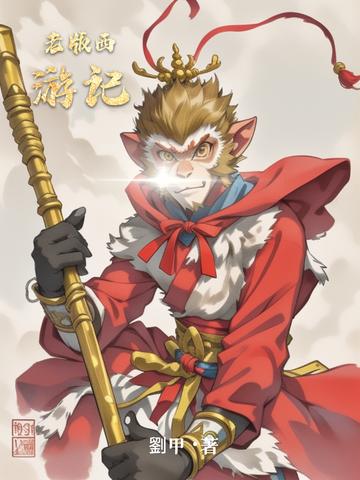
"Journey to the West" is the leader of ancient Chinese novels about gods and demons and a representative of romantic literature. The creator used his rich artistic imagination to construct a bizarre mythical world, and created a number of literary images with distinctive characters and far-reaching influence, such as Sun Wukong and Zhu Bajie, which have been loved by people for hundreds of years. From the perspective of literary reception and dissemination, the reason why "Journey to the West" can have such a great literary effect in later literature is mainly due to the novel's successful shaping of characters and interesting plot settings, and the comic spirit running through it is the biggest feature of the entire novel's artistic conception and aesthetic taste.
The story content of "Journey to the West" is mainly composed of two parts: Sun Wukong's havoc in the Heavenly Palace and Tang Monk's master and apprentice's search for Buddhist scriptures in the West. This also includes the story of the origin of the Buddhist scriptures and the eighty-one difficulties on the way to the Buddhist scriptures. Judging from the plot arrangement of the novel, it is full of comedy. The novel not only carefully constructs the comic conflicts between various characters, but also uses meticulous writing to develop detailed descriptions full of humorous sentiments to achieve a strong comedy effect: in the seventh chapter, Sun Wukong urinates next to Tathagata's finger and leaves his name, and then feels smug in front of Tathagata. The scene of boasting; the 45th chapter describes the scene where Sun Wukong, Zhu Bajie, and Sand Monk play tricks on the three immortals Hu Li, Lu Li, and Sheep Li, tricking them into drinking urine; the 62nd chapter describes the scene where Sun Wukong turns into the Bull Demon King in order to deceive the banana fan, and coaxes Princess Iron Fan to act coquettishly and cuddle up tenderly...·
Cs @EasternJibai