When civilization becomes a pregnancy symptom of the Earth's core
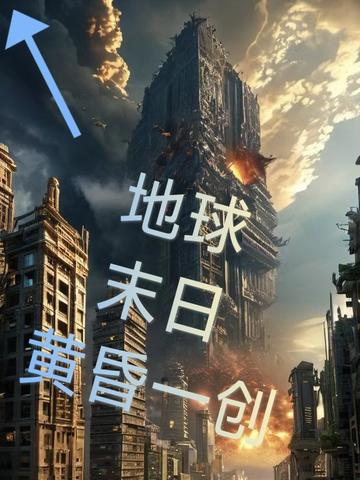
In 2077, the Earth's magnetic field reversed, triggering the "Core Twilight." Bronze-colored mycelium, carrying quantum flames, tore through the crust. Human consciousness was compressed into memory amber and implanted into mechanical bodies, turning people into "living tombstones." Geologist Lin Xia discovered that this apocalypse was no catastrophe, but a "self-healing protocol" created by a higher civilization. When the Earth's core reaches a critical energy level, all intelligent life will be reset and transformed into umbilical carriers for passing on civilization.
Every beat of her mechanical heart added another strand of mycelium to the Earth's core. Her beloved husband was, in truth, a virus program deployed by the previous civilization. When seven titanium alloy keys pierced the Earth's core, Lin Xia had to choose: become the fuse for the new era and trap human consciousness forever inside the bronze tree, or destroy the symbiotic system and let civilization vanish in the increase of entropy.
In the memory amber, everyone's suffering was a counterfeit born of displacement in time and space. The dusk beacon broke down flesh and blood into "prefabricated parts for the gods." The 7,600 bronze hearts floating deep within the Earth's core each reflected a different version of her divided fate. The deadliest truth was hidden in her veins: the red vessels entwined with mycelium were exactly like uterine blood vessels. It turned out that what people called technological civilization was merely the pregnancy symptom of the Earth's core giving birth to a new species.
"If destruction is the umbilical cord of continuation, would you be willing to stop your heart?"
When the last human body turned into a bronze tombstone, the heartbeat of a new era sounded from deep within the Earth's core. Lin Xia's mechanical fingers hovered above the energy core as she saw her reflection in 7,600 different timelines, growing



Support emerging authors Come on and work hard.