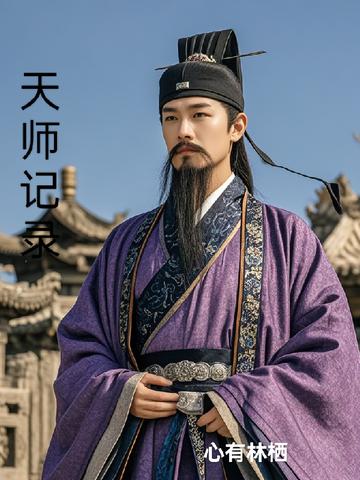
The legacy of the Way of the Celestial Masters has had a profound influence on Chinese culture in many ways:
I. Philosophy
1. Enriching Daoist philosophy: Centered on Daoist thought, the Way of the Celestial Masters preserved and developed Daoist philosophical ideas, such as the concept of the Dao, the balance of yin and yang, and living in harmony with nature. It offered Chinese philosophy a unique perspective and set of values, encouraging later scholars to study and expand upon Daoist philosophy.
2. Promoting the development of metaphysics: During the Wei and Jin dynasties, the Way of the Celestial Masters and metaphysics influenced one another. Its mysticism and ideas of transcendence provided spiritual resources for metaphysics, encouraging discussions of questions such as the meaning of life and the nature of the universe, and enriching the speculative thought of ancient Chinese philosophy.
II. Religious Beliefs
1. A foundation for the development of Daoism: As one of the major early Daoist schools, the Way of the Celestial Masters laid a solid foundation for the development of Daoism. Its doctrines, rituals, and organizational structure had a wide-ranging and profound influence on later Daoist schools, becoming an indispensable part of the Daoist tradition.
2. Integration with folk beliefs: The Way of the Celestial Masters spread widely among the people and blended with local folk beliefs. Its ritual arts, talismans, and purification ceremonies were adopted and passed down by ordinary people, influencing folk practices such as worship, prayer for blessings, and exorcism. It became an important part of Chinese folk religious culture.
III. Literature and the Arts
1. Inspiration for literary works: It provided rich subject matter and inspiration for literary creation. Many ancient literary works feature elements of the Way of the Celestial Masters, such as tales of immortals, portrayals of Daoist priests, and fantastical magical arts.