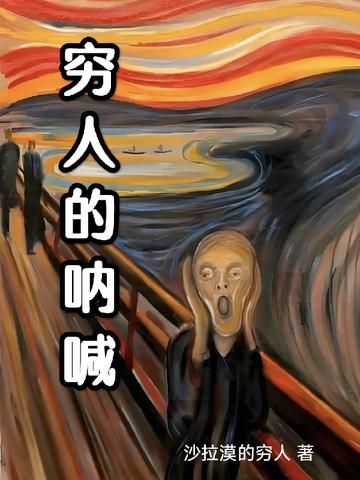
In a rural area neglected by the development of the times, a family forced to change slowly seeks change, struggling step by step. In order to break the rules, we have to resist, change the model of rural development, and gradually go further on the road of exploration, ultimately creating an ideal utopia in modern society.
Reader comments
Reading "The Cry of the Poor" is a powerful experience. This is not only a theoretical work, but also a cry for basic human dignity. Freire showed us that the real value of education lies in its ability to empower people with self-knowledge and help them move toward freedom and self-realization. His point of view is not just applicable to the poverty problem in a specific country, but a reflection on the global social structure.
Reasons for recommendation
"The Cry of the Poor" is a work with both theoretical depth and humanistic care, suitable for readers who are interested in social justice, educational reform, and poverty issues. This book can make people more clearly aware of the key role of education in social change. It also reminds us that understanding the poor and helping them should not only provide financial assistance, but also liberate the mind and inspire consciousness.
As a child who also grew up in a small village in the north, I experienced rural life in the 1990s and early 2000s and saw the changes in the village over the past 20 to 30 years. Among them, people's living standards have indeed improved. At the same time, the relationships between people and the spiritual and cultural life of the villagers have inevitably been affected by the commercialized society. In the end, everyone has a common feeling - feeling unhappy. Thinking back to twenty or thirty years ago, even though we were poor, there was indeed a deep emotional connection between people. This is a major foundation for personal happiness.
The author's wish is believed to be shared by a large number of children who have lived in rural areas. I hope my hometown has a good natural environment, a good cultural atmosphere, and a good material economy. I have read a quarter of the book, and I can feel the author's sincerity in bringing benefits to the people, and see the step-by-step plan structure and implementation. I look forward to more exciting ideas and stories in the future, and I also look forward to seeing the final appearance of the new village.
Come back to review after reading it, author, cheers~
I read the whole book in one sitting on the train for more than ten hours. I haven't read a book so happily in a long time. Four stars recommended, one star supported. Recommended to young people with sentiments, ideals and willingness to serve the countryside.
The book introduces in detail the specific layout of the revitalization of Jianlu Village, how to integrate agriculture, how to introduce industry, and how to develop the service industry. It also reveals the social reality of many officials and businessmen colluding with the powerful and evil forces. The male protagonist Jian Chu and his surrounding friends fight against the evil forces in a series of battles of wits and courage to return justice to the people. It also makes people feel hopeful and inspired. Those who have attained the right will have many helpers, but those who have lost the right will have few helpers. Virtue will never be alone, it will always have neighbors.
Being respected, recognized, needed and even cared for is the source of happiness for individuals in social relationships. The male protagonist Jian Chu's recognition and support is inseparable from his selfless responsibility and his original intention to benefit the people. Such people make people trust and admire them.
"The end of land management is technology, and technology is the primary productive force"
The author describes land trust, increasing farmers' income, purchasing machinery, intelligent sprinkler irrigation, grain reserves, revitalizing factories, increasing employment, attracting investment in the later stage, and implementing projects, as well as law, management, transportation, environment, design, and social communication. Many places are thought-provoking and worth learning from.
The trust crisis that is common in society today, and the indifference and rupture of relationships between people are the consequences of the commercialized society sweeping the world. Everything is clearly marked with a price, and everyone is coerced into seeking wealth and profit, and becomes a slave to capital and a living machine. At present, there must be many people with lofty ideals thinking about the future, which has a natural environment, food safety, economic prosperity, convenient life, sincere relationships between people, and spiritual wealth. Social harmony. The author uses his own way to create a self-consistent and self-contained utopia. This kind of effort is admirable.
Come on, author~
The writing is so real. Rural areas do have these problems now. This book provides farmers and politicians with many good ideas. Go read it!
Reading "The Cry of the Poor" is a powerful experience. This is not only a theoretical work, but also a cry for basic human dignity. Freire showed us that the real value of education lies in its ability to empower people with self-knowledge and help them move toward freedom and self-realization. His point of view is not just applicable to the poverty problem in a specific country, but a reflection on the global social structure. Reasons for recommendation "The Cry of the Poor" is a work with both theoretical depth and humanistic care, suitable for readers who are interested in social justice, educational reform, and poverty issues. This book can make people more clearly aware of the key role of education in social change. It also reminds us that understanding the poor and helping them should not only provide financial assistance, but also liberate the mind and inspire consciousness.
As a child who also grew up in a small village in the north, I experienced rural life in the 1990s and early 2000s and saw the changes in the village over the past 20 to 30 years. Among them, people's living standards have indeed improved. At the same time, the relationships between people and the spiritual and cultural life of the villagers have inevitably been affected by the commercialized society. In the end, everyone has a common feeling - feeling unhappy. Thinking back to twenty or thirty years ago, even though we were poor, there was indeed a deep emotional connection between people. This is a major foundation for personal happiness. The author's wish is believed to be shared by a large number of children who have lived in rural areas. I hope my hometown has a good natural environment, a good cultural atmosphere, and a good material economy. I have read a quarter of the book, and I can feel the author's sincerity in bringing benefits to the people, and see the step-by-step plan structure and implementation. I look forward to more exciting ideas and stories in the future, and I also look forward to seeing the final appearance of the new village. Come back to review after reading it, author, cheers~ I read the whole book in one sitting on the train for more than ten hours. I haven't read a book so happily in a long time. Four stars recommended, one star supported. Recommended to young people with sentiments, ideals and willingness to serve the countryside. The book introduces in detail the specific layout of the revitalization of Jianlu Village, how to integrate agriculture, how to introduce industry, and how to develop the service industry. It also reveals the social reality of many officials and businessmen colluding with the powerful and evil forces. The male protagonist Jian Chu and his surrounding friends fight against the evil forces in a series of battles of wits and courage to return justice to the people. It also makes people feel hopeful and inspired. Those who have attained the right will have many helpers, but those who have lost the right will have few helpers. Virtue will never be alone, it will always have neighbors. Being respected, recognized, needed and even cared for is the source of happiness for individuals in social relationships. The male protagonist Jian Chu's recognition and support is inseparable from his selfless responsibility and his original intention to benefit the people. Such people make people trust and admire them. "The end of land management is technology, and technology is the primary productive force" The author describes land trust, increasing farmers' income, purchasing machinery, intelligent sprinkler irrigation, grain reserves, revitalizing factories, increasing employment, attracting investment in the later stage, and implementing projects, as well as law, management, transportation, environment, design, and social communication. Many places are thought-provoking and worth learning from. The trust crisis that is common in society today, and the indifference and rupture of relationships between people are the consequences of the commercialized society sweeping the world. Everything is clearly marked with a price, and everyone is coerced into seeking wealth and profit, and becomes a slave to capital and a living machine. At present, there must be many people with lofty ideals thinking about the future, which has a natural environment, food safety, economic prosperity, convenient life, sincere relationships between people, and spiritual wealth. Social harmony. The author uses his own way to create a self-consistent and self-contained utopia. This kind of effort is admirable. Come on, author~
The writing is so real. Rural areas do have these problems now. This book provides farmers and politicians with many good ideas. Go read it!