Guangxi’s stone inscriptions are rich in cultural significance. This book selects 34 famous inscriptions from across Guangxi dating from before the Republic of China era. Centered on the stories behind the inscriptions and guided by historical events, it explains their contents in accessible language and explores the history and culture behind them, helping readers learn about Guangxi’s inscriptions through the ages and its rich inscription culture.
One volume in the Heritage series of the Culture of Guangxi collection, this book classifies the inscriptions by subject. Part One, “The Warmth of History” (7 essays), features inscriptions that reflect major events in Guangxi’s history. Part Two, “Marks Left by the Famous” (6 essays), presents inscriptions that shed light on the lives and social circles of historical figures such as Mi Fu and Ruan Yuan in Guilin. Part Three, “The Past and Its Legends” (7 essays), features inscriptions reflecting local folk tales and legends. Part Four, “Sages and Heroes” (6 essays), explores how official and popular efforts helped educate and influence local communities. Part Five, “Literature on Stone” (8 essays), brings together inscriptions of poetry and prose, capturing the literary pleasures of poets exchanging verses and touring the region. The 34 inscriptions cover major cities and districts including Nanning, Hengzhou, Wuzhou, Baise, Hechi, Liuzhou, Guilin, and Quanzhou. Each area is represented by a selection of notable inscriptions with stories to tell, covering as much of Guangxi as possible and showcasing the depth of its history and culture.
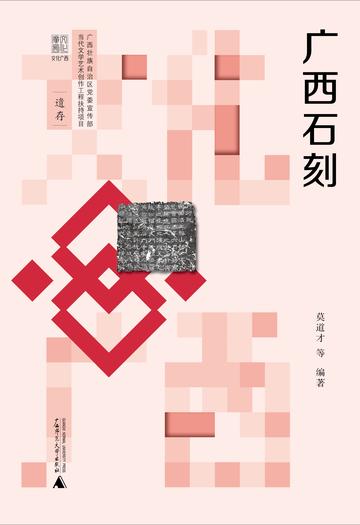


This book is really good! "Cultural Guangxi Guangxi Stone Carvings" compiled by Mo Daocai and others is rich in content and allows us to understand the cultural connotation of Guangxi stone carvings through popular language. And according to the classification of stone carvings, each part is very distinctive, which impressed me deeply. The efforts of the authors have made it easier for us to understand the history and culture of Guangxi, which is really great! I think this book is worth reading.