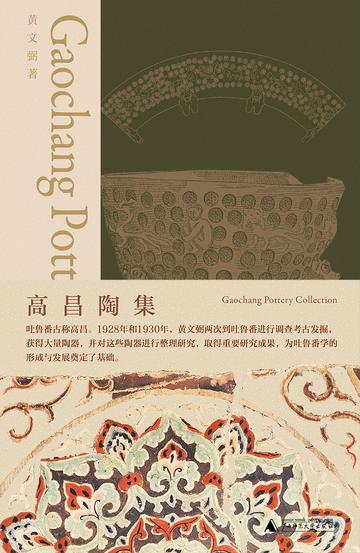
Turpan area was called Gaochang in ancient times and was the seat of Gaochangbi, Gaochang County and Gaochang Kingdom. In 1930, Mr. Huang Wenbi went to Turpan for archeology and obtained more than 800 pieces of pottery. This book selects more than 100 pieces of pottery of different shapes and bright colors, and conducts research based on unearthed cultural relics and documentary materials to discover the crafts and arts of ancient Gaochang, as well as the living conditions of people at that time. The book is divided into two parts. The first part is divided into three parts: excavation report, description of ancient tomb relics, and pottery research. The second part is ancient pottery plates. This book not only details the evolution of Jiaohe City's waterways and the migration of residents, but also records the utensil system and craftsmanship. It also infers the age of ancient pottery. It is an archaeological work with profound historical significance.
Reader comments
The archaeological experience of the author Mr. Huang Wenbi is so admirable. He has visited Xinjiang many times and made great contributions to Chinese archeology. I feel that this book is not only an academic work, but also a precious exploration of history and culture. It makes me feel the hardship and persistence of archaeologists. It also made me understand that we should pay more attention to and protect historical and cultural heritage.





The archaeological experience of the author Mr. Huang Wenbi is so admirable. He has visited Xinjiang many times and made great contributions to Chinese archeology. I feel that this book is not only an academic work, but also a precious exploration of history and culture. It makes me feel the hardship and persistence of archaeologists. It also made me understand that we should pay more attention to and protect historical and cultural heritage.