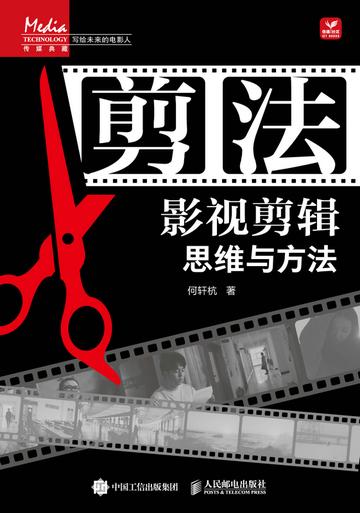
This book is dedicated to analyzing and teaching the deep logic and practical strategies of editing art. It emphasizes that editing is not just a simple arrangement of pictures and sound materials, but also the use of structure and paragraph organization, and the creation of deep and expressive films by grasping the five key elements of emotion, narrative, rhythm, structure and sound. The book is divided into eight chapters, which systematically introduces the theory of editing structure. By analyzing the macroscopic nature, non-linear thinking and emotional power of editing, it helps readers establish an understanding of the overall structure of editing.
At the same time, the author borrows mature theories in the field of film and television drama, such as the three-act structure, to guide readers in understanding and constructing the internal logic and rhythm changes of editing works.
In addition, this book is not limited to film editing, but also encourages readers to use analogical thinking and apply film editing principles and techniques to other types of video production. Regarding the use and connection of music, the book gives detailed guidance, including practical skills such as the selection of music style, matching of music and picture information points, music editing and transition methods, and analyzes the clever use of music in different types of video works through examples.
This book is suitable for film and television editing professionals, students, and beginners interested in this field. By reading this book, readers can not only master the systematic editing theory, but also learn how to transform it into an editing methodology with a distinctive personal style, thereby continuously improving editing technology and innovation capabilities in practice.
Reader comments
As the book says, editing is not only a technique, but also an art. I remembered my previous experience in making videos for my family. If I had read this book earlier, I would have been able to make the videos more expressive. The case studies in the book are also very practical, especially the use of music, which is very inspiring to me. Recommended to friends who are interested in film and television editing!
This book analyzes the essence of editing from the basics, which is that editing is not splicing. It involves thinking, entering the frame, flexibility, and linearity, followed by shooting methods, dubbing, picture-in-picture, transitions, audio, and narrative.
On these basis, we will convey how to edit better and convey a good emotional experience to the audience.
As a newbie, I feel that the author's analysis is very accurate.
The content is rich and there are many case studies, which is very helpful for people who don't know how to edit.
Easy to understand, a very good book
You can get an initial impression and a gradual introduction.

As the book says, editing is not only a technique, but also an art. I remembered my previous experience in making videos for my family. If I had read this book earlier, I would have been able to make the videos more expressive. The case studies in the book are also very practical, especially the use of music, which is very inspiring to me. Recommended to friends who are interested in film and television editing!
This book analyzes the essence of editing from the basics, which is that editing is not splicing. It involves thinking, entering the frame, flexibility, and linearity, followed by shooting methods, dubbing, picture-in-picture, transitions, audio, and narrative. On these basis, we will convey how to edit better and convey a good emotional experience to the audience.
As a newbie, I feel that the author's analysis is very accurate.
The content is rich and there are many case studies, which is very helpful for people who don't know how to edit.
Easy to understand, a very good book
You can get an initial impression and a gradual introduction.