Chinese Classics: The earliest enlightenment reading book by Korean Dae Jang Geum
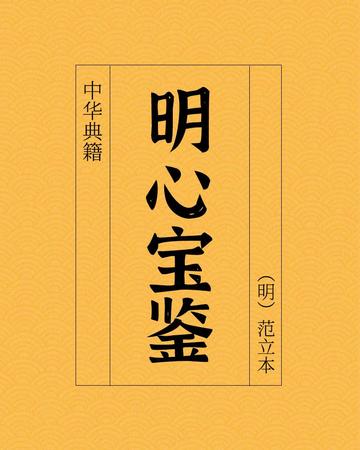
Li Yingai regards "Mingxin Baojian" as a treasure and praises it as "can purify the soul"
"My Love from the Star" Do Min-joon's 400-year life guide, a manual of ethics for people on earth
The book recommended by Park Geun-hye for national reading is a Chinese classic that is popular in South Korea and Japan and has the longest lasting influence; it is a guideline of life that has influenced South Korea and Japan for 600 years.
The first Chinese ancient book to be translated into Western languages, the Spanish missionary Gao Muxian translated the Chinese moral book and presented it to the prince of the Western Kingdom. The manuscript is still in the National Library of the Western Region. It is known as "an important physical evidence in the history of cultural exchanges between China and the West." A popular version of life philosophy, a life textbook, and an inspirational classic of self-cultivation; a famous saying passed down from generation to generation for Chinese people to settle down and live in life; the official enlightenment book of the Ming Dynasty in China. Popular readings in the early Ming Dynasty, with content covering hundreds of schools of thought, and a mixture of Confucianism, Buddhism and Taoism. It is one of the oldest Chinese books for good deeds and children's education books spread overseas.
It collects the expositions of the wise and sages on personal moral cultivation, self-cultivation, settling down and settling down, as well as the enlightenment books on learning and admonishing good deeds. It was first published in the 26th year of Hongwu in the Ming Dynasty. The original compiler was Fan Liben. Official and private engravings were popular and widely circulated.
Emperor Wanli ordered the official engraving, which is a well-known work in the Ming Dynasty. Since its publication, it has spread to foreign countries and still has great social influence in the Korean Peninsula, Japan, Vietnam and other places. It has been translated into Italian, English, German, Russian and other Western languages. Together with other Chinese classics introduced to Europe, it set off a China craze in Europe in the 17th and 18th centuries, injecting Eastern elements into the Western Enlightenment Movement, showing the charm and world significance of Chinese culture.