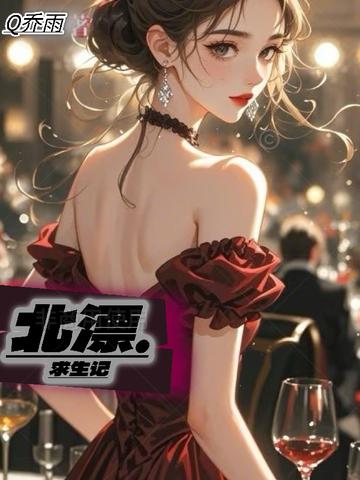
"Break a good hand, then integrate it, and finally hit a king"
A capable woman makes her way through her looks, her character, and her experience.
In the first half of life, love and hate were hidden in the wind and moon;
For the rest of my life, the wind and rain fall silently.
The prosperity is not over, and the thoughts are not expressed.
If you want to know the ups and downs, please read the text.
Reader comments
This is a breathing period narrative. It is not eager to tell a complete story, but is like a carefully preserved old photo frame by frame, taking us back to the scene of youth in a small northern town in the 1990s. The silhouettes hidden in the excerpts, the whistles under the sycamore tree, the new clothes before the new year and the chance encounters in the bookstore, together constitute Qiao Hongxia's "private growth map".
The most touching things in the book are the unfinished moments: the unfinished painting of the girl with braids, the half-written lyrics, the light blue letter that is clenched again and again in the palm of the hand. These "blank spaces" are precisely the truest texture of youth - everything is happening and everything is unresolved. The monitor's eyes closed when he sang "Xiao Fang" at the class reunion, and the second half of the lyrics that were left empty in his notebook twenty years ago, completed an affectionate look across time.
The author writes with poetic restraint about the era when communication depended on oral messages and thoughts depended on excerpts. There is no grand historical background, but a convincing time and space coordinate is constructed through the woolen coats of Quanye Mall, the smell of old books in Xinhua Bookstore, and the ringing of bicycle bells in the family courtyard. The jokes about "sinking pearls" and the reading experience of "illegitimate daughter" cleverly weave together collective memories and private emotions.


This is a breathing period narrative. It is not eager to tell a complete story, but is like a carefully preserved old photo frame by frame, taking us back to the scene of youth in a small northern town in the 1990s. The silhouettes hidden in the excerpts, the whistles under the sycamore tree, the new clothes before the new year and the chance encounters in the bookstore, together constitute Qiao Hongxia's "private growth map". The most touching things in the book are the unfinished moments: the unfinished painting of the girl with braids, the half-written lyrics, the light blue letter that is clenched again and again in the palm of the hand. These "blank spaces" are precisely the truest texture of youth - everything is happening and everything is unresolved. The monitor's eyes closed when he sang "Xiao Fang" at the class reunion, and the second half of the lyrics that were left empty in his notebook twenty years ago, completed an affectionate look across time. The author writes with poetic restraint about the era when communication depended on oral messages and thoughts depended on excerpts. There is no grand historical background, but a convincing time and space coordinate is constructed through the woolen coats of Quanye Mall, the smell of old books in Xinhua Bookstore, and the ringing of bicycle bells in the family courtyard. The jokes about "sinking pearls" and the reading experience of "illegitimate daughter" cleverly weave together collective memories and private emotions.