Xiuhua Temple was previously called Fuqiang Temple, and its name means that there were disputes with the Qiang or other ethnic minorities here.
It is said that during a fierce war, the armies of both sides fought fiercely on a rainy night. On the battlefield, there were fierce battles and shouts of killing. However, the final outcome was very tragic. Countless soldiers fell on this land, and their blood flowed and dyed the earth red.
From then on, every rainy night, when there is wind and rain, lightning and thunder, there will be faint sounds between the two mountains of Xiuhua Temple, which are like the shouts of killing, the clash of weapons and the neighing of war horses on the battlefield.
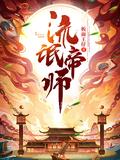
"Across Xiliang: Empire of Steel" is a time-travel novel that combines historical background and modern technology. It tells the story of how an ordinary person used modern knowledge in the ancient world to plan a linear city from Lanzhou to the Black Sea. This 300-meter-wide and 5,000-kilometer-long city will become the center of science and technology and culture, laying a solid foundation for the Han nation to rule the Eurasian continent. Stories of personal fulfillment and national prosperity. Li Tie's wisdom, courage and innovative spirit in the novel will inspire readers to not lose hope when facing difficulties and to bravely pursue their dreams.
Reader comments
I wonder what miracles the small country of Xiliang can create?

I wonder what miracles the small country of Xiliang can create?