Therefore, if we want to study Chinese political history, social history, or economic history, we should only study it within the unity of cultural traditions and cannot separate them separately. We should study economic history from the perspective of political history and social history, we should study economic thought from the perspective of political thought and social thought, and we should study economic systems from the perspective of political systems and social systems. Above these three, there is a highest humanistic ideal that leads.
——Qian Mu, "How to Study Economic History"
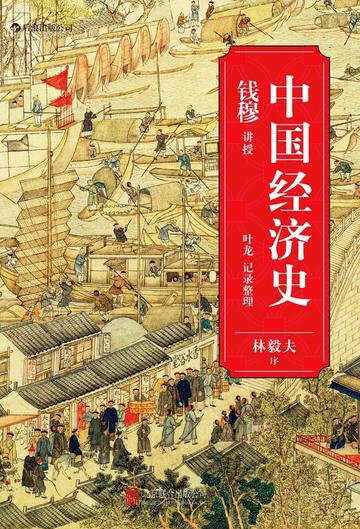
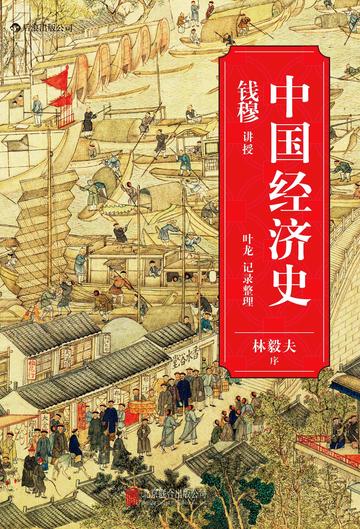
China's next challenge may be to reconstruct its connection with its own tradition and the world. In addition to the introduction of Western doctrines and theories, it is also necessary to re-understand its own historical evolution. This book attaches great importance to the interconnection between politics, society, culture and ideological trends, covering the land system, infrastructure investment (mainly water conservancy and water transportation), monetary system and taxation policies of the past dynasties, as well as the economic ideological debate between government and market dominance.
——Lin Yifu, Director of the China Economic Research Center at Peking University and former Chief Economist of the World Bank
From 1954 to 1955, Mr. Qian Mu taught two courses: "Chinese Economic History" and "Chinese Social and Economic History" at New Asia College in Hong Kong. He briefly described the economic situation and fiscal policies from the Spring and Autumn Period and the Warring States Period to the Ming and Qing Dynasties. He also explained the mutual influence and connection between economy and politics, culture, society, military, law, and religion, and evaluated the relationship between policies and the rise and fall of dynasties.
Ye Long studied under Qian Mu for many years. He carefully recorded and compiled the contents of his two courses, and supplemented some contents to form smooth and easy-to-read articles. After being published in the Economic Review Edition of the Hong Kong Economic Journal, it was warmly welcomed by readers, and was finally compiled and published into this book. This book not only fills the regret of Mr. Qian Mu's lack of specialized economic history works, but also enables readers to deepen their understanding of Mr. Qian Mu's other works by reading Chinese economic history, so as to understand Mr. Qian Mu's teachings of emphasizing the need to conduct research within the unity of cultural tradition.
The main economic issues throughout the book include agricultural economy and land distribution, infrastructure and water conservancy projects, industrial and commercial development, monetary system reform, social class phenomena, tax system and corvee, etc. A careful reading of two thousand years of economic history reveals that China's social and economic landscape today is deeply influenced by historical traditions. It is hoped that this book can help readers interpret the reasons and impacts behind the current policies, and at the same time serve as a mirror to apply useful experiences to today's business society to avoid repeating the lessons of failure.