(This is a story about revenge)
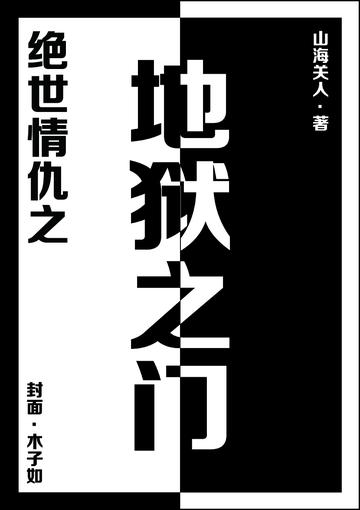
In Hong Kong in the 1940s, a young pawnshop owner named Qin Haisheng was framed and sent to Thailand by the Japanese occupying forces to build the "Death Railway." After a narrow escape, he obtained the treasure of "Tiger of Malaya" Yamashita Fengfumi. All grievances and hatreds begin here...
Reader comments
The plot and language are very good. It uses personal painful experiences of hell to accuse the Japanese militarists of the war of aggression that caused harm to thousands of people. At the same time, it unabashedly points to the brilliance and despicability of human nature in thousands of people. It expounds the simple principles of Buddhist karma in the form of retribution for pleasure and grudges. The author rigorously researches real historical events and seamlessly embeds them into the text, making the time before and after World War II deposited with the vicissitudes of the world throughout the story. It seems to have the shadow of "The Count of Monte Cristo", but it is different from the background of "The Count of Monte Cristo" and breaks through the constraints of personal grudges and hatred. The anti-war sentiments of compassion and compassion are ready to emerge. Morality is, after all, a psychological torture tool used to torture human conscience, while justice is an executive inspector who identifies the destiny of human beings.
Great article! It's one of those novels that I crave.
The ideas are clear, novel and engaging.
The plot is exciting and the story is full of twists and turns. This is my favorite type of novel.
Real and objective, clear description, rigorous structure
The plot and language are very good. It uses personal painful experiences of hell to accuse the Japanese militarists of the war of aggression that caused harm to thousands of people. At the same time, it unabashedly points to the brilliance and despicability of human nature in thousands of people. It expounds the simple principles of Buddhist karma in the form of retribution for pleasure and grudges. The author rigorously researches real historical events and seamlessly embeds them into the text, making the time before and after World War II deposited with the vicissitudes of the world throughout the story. It seems to have the shadow of "The Count of Monte Cristo", but it is different from the background of "The Count of Monte Cristo" and breaks through the constraints of personal grudges and hatred. The anti-war sentiments of compassion and compassion are ready to emerge. Morality is, after all, a psychological torture tool used to torture human conscience, while justice is an executive inspector who identifies the destiny of human beings.
Great article! It's one of those novels that I crave.
The ideas are clear, novel and engaging.
The plot is exciting and the story is full of twists and turns. This is my favorite type of novel.
Real and objective, clear description, rigorous structure