[Plants vs. Zombies + Pocket Dimension + Transmigration + No Romance + Quietly Building Strength Early, Rising to Prominence Later + Rapid Power Growth]
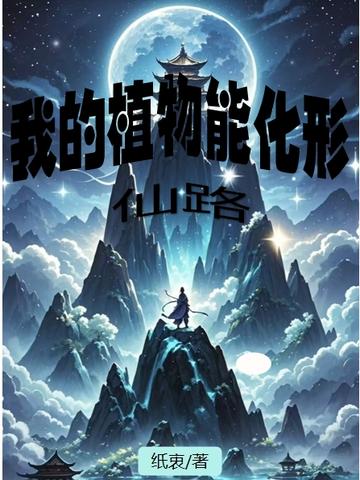
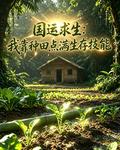
After transmigrating, Tian Ye found himself in the body of a menial disciple in Hundred Herbs Valley, part of the outer sect of Ziyang Sword Sect. He had also brought along Zen Garden from the Plants vs. Zombies game.
From the start, he gained a Sunflower. Not only could it take human form and become sentient, it could also produce the peerless treasure known as Solar Essence.
There was also Doudou, the Peashooter with conceptual talents; Penpen, the Fume-shroom whose attacks ignored defensive artifacts and treasures; Xiaoxiao, the Puff-shroom that invaded dreams; and Amu, the Grave Buster that devoured everything and condensed it into crystals of spiritual power. One strange plant after another made its appearance.
The native spirit plants of the cultivation world were no slouches either, each with its own remarkable abilities.
There was the Spirit-Gathering Grass, which absorbed spiritual energy and nourished the soil; the Rainbow Spirit Rice, with its exceptionally high mutation rate; the Mortalizing Fruit, which bridged the worlds of immortals and mortals; the Sword Grass, whose mastery of the sword reached the divine; and the Heavenly Rainbow Fire Maple, which could produce strange flames...
What sparks would fly when Plants vs. Zombies plants encountered the native spirit plants of the cultivation world?
What kind of shock would it cause when spirit plants, normally slow to take human form and low in intelligence, began transforming into people one after another?
See how Tian Ye makes his way in the cultivation world with the help of plants and explores its many secrets.
[Plants unlocked so far: Sunflower, Peashooter, Fume-shroom, Puff-shroom, Grave Buster, Garlic, Wall-nut, Snow Pea, Kernel-pult, Potato Mine, Coffee Bean, and Plantern. Plant talents and skills are based to some extent on their original traits, but have been adapted to the native culture of the cultivation world. Please be kind if this isn't to your taste! Readers with suggestions for future plants are welcome to share them in the comments. They may be considered for later additions.]

The overall rhythm is good, but the author's characterization is a bit weak, but the settings are quite good. Some plants and spiritual plants are well set, but there is little interaction with some plants. Although the number of water characters is avoided, I feel that some plants have no effect.
This book is okay and suits my taste
Not bad, not sure very good, I like it
It can be very innovative.