The Wei, Jin, Southern and Northern Dynasties began with the Three Kingdoms, went through the Two Jins, the Five Hus and Sixteen Kingdoms, the Southern and Northern Dynasties, and finally the Sui Dynasty destroyed the Chen Dynasty, which lasted for more than 360 years. During this period, more than 30 large and small dynasties rose and fell, wars continued, and the people were in dire straits. The root cause of the turmoil was the Yongjia Rebellion that broke out in the late Western Jin Dynasty.
The Western Jin Dynasty was the only unified dynasty during the Wei, Jin, Southern and Northern Dynasties. The country only lasted 51 years, and its sense of existence was extremely low. The Western Jin Dynasty was founded in 265 by Sima Yan, Emperor Wu of Jin Dynasty. In the early days of his reign, he was diligent in politics, balanced the forces of all parties, sent troops to destroy Wu, and unified the country. During the Taikang period (280-289), the country reached its peak, which is known as the "Government of Taikang" in history.
After Sima Yan's death, the Western Jin Dynasty declined rapidly. During the reign of Emperor Hui of the Jin Dynasty, the clan kings fought for power and launched the "Eight Kings Rebellion". The national authority was challenged, causing the Xiongnu, Jie, Di, Xianbei and Qiang tribes to compete in the Central Plains. As a result, the Western Jin Dynasty perished in 316. The northern gentry and northern people crossed the Yangtze River and went south one after another. In 317 AD, Emperor Yuan of Jin Dynasty Sima Rui ascended the throne in Jiankang and continued the Jin Dynasty, which was called the Eastern Jin Dynasty.
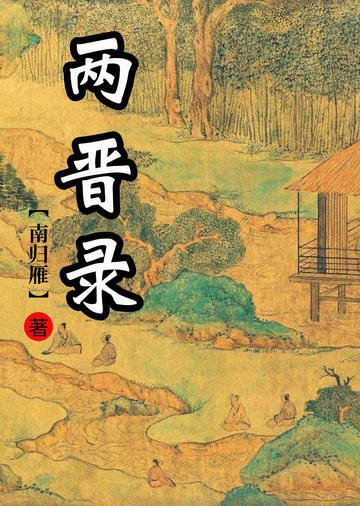
The imperial power of the Eastern Jin Dynasty was weak, and the clans controlled the government. They fought against each other with the ethnic minority regimes in the north, and they were in a corner of peace. In 420, the strongman Liu Yu slaughtered all the Sima clan and established the Southern Song Dynasty to replace the Eastern Jin Dynasty. Since then, the two Jin Dynasties have disappeared in the clouds of history. This article presents the historical chapters of the Two Jin Dynasties.
Reader comments
Thanks to the author for his hard work in reading historical materials and writing such a detailed historical story. Every character has flesh and blood on the page, which makes people remember it deeply. Reading history makes people wise and self-evident. He who knows himself understands. Being clear and philosophical, in order to protect yourself, reading history can achieve this effect. In this era of self-media where short videos are short and fast, it is not easy to calm down and read history, but it is even rarer to have the perseverance of an author to reveal historical facts and reveal the roots! This book is worth reading!
Thanks to the author for his hard work in reading historical materials and writing such a detailed historical story. Every character has flesh and blood on the page, which makes people remember it deeply. Reading history makes people wise and self-evident. He who knows himself understands. Being clear and philosophical, in order to protect yourself, reading history can achieve this effect. In this era of self-media where short videos are short and fast, it is not easy to calm down and read history, but it is even rarer to have the perseverance of an author to reveal historical facts and reveal the roots! This book is worth reading!