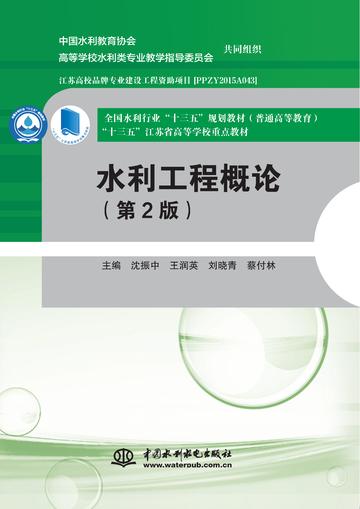
This book comprehensively introduces various common water conservancy projects, and outlines the basic concepts of water resources, reservoirs, water conservancy hubs and hydraulic buildings, the composition, type, working principle and main features of various hydraulic buildings such as water retaining buildings, water discharge buildings, water delivery buildings, regulation buildings and dam crossing buildings; pumping stations, hydropower stations and pumped water storage. The functions, types and architectural composition of power stations, the concept of construction diversion, diversion buildings and general procedures for construction diversion, expounds the basic principles, methods and content of water resources planning, the concept of dam safety monitoring, the content of safety monitoring, commonly used safety monitoring models and the development principles and main contents of real-time monitoring and safety early warning systems. This book can be used as a textbook and reference book for the "Introduction to Water Conservancy Engineering" course for undergraduate and junior college students in hydrology, environment, civil engineering, water supply and drainage, mechanics, geotechnical, computer and other majors.