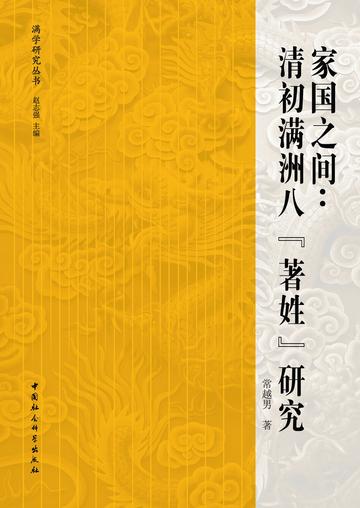
Since ancient times, the establishment of any dynasty cannot be separated from the strong support of aristocratic families. The famous families and the country with imperial power as the main body were interdependent and had closely related interests, which had a great influence on the political orientation of the court. The Qing Dynasty was a regime established by Manchu aristocrats. During the founding of the Later Jin Dynasty, a group of ministers with outstanding military achievements emerged. After entering the customs, they gradually developed into a large Manchu family. Among them, eight "surnames", namely Guarjia, Niuhulu, Shumulu, Hesheli, Tatala, Jueluo, Tongjia and Nala, are particularly prominent. Characterized by their early surrender, outstanding military exploits, participation in cultural construction, and marriage with the royal family, they became a prominent family in Liao Zuo and the new rich man in Manchuria. They closely integrated family interests with national development and became the mainstay of the Qing Dynasty. The study of this book combines the official classics with the genealogy of the eight "surnames", and takes into account the different histories to show the group style of the eight "surnames" in Manchuria in the early Qing Dynasty, elaborate on their feelings about their family and country, and reveal the important historical role they played in the development of the Qing Dynasty.
Reader comments
This book is very interesting! It tells the story of eight "surnames" in Manchuria in the early Qing Dynasty, which gave me a deeper understanding of the history of that era. I especially like the plot about their marriage to the royal family mentioned in the book. It feels so romantic! However, I don't really like some of the characters, such as Gualga, who I always found a bit arrogant. But overall, this book is still worth reading. It allows me to see the feelings of the Manchu nobles about their family and country.




This book is very interesting! It tells the story of eight "surnames" in Manchuria in the early Qing Dynasty, which gave me a deeper understanding of the history of that era. I especially like the plot about their marriage to the royal family mentioned in the book. It feels so romantic! However, I don't really like some of the characters, such as Gualga, who I always found a bit arrogant. But overall, this book is still worth reading. It allows me to see the feelings of the Manchu nobles about their family and country.