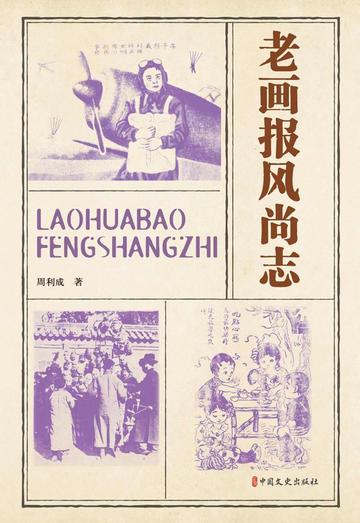
The term "fengshang" has been around since ancient times. It may be interpreted as integrity and character, but also refers to the customs and customs. Today, fashion touches every aspect of life, and people voluntarily or are forced to join it. Whether it is food, clothing, housing, transportation, speech, behavior, or ways of thinking, it is difficult to escape its influence from material to spiritual. The content of this book is based on articles and stories published in various old pictorial newspapers of the Republic of China, many of which were social hot topics at the time and common people's after-dinner conversations. The book is divided into six chapters, including the beginning of the trend, the spread of the west wind to the east, the modern era, celebrities and fashion, leisure and entertainment, and folk customs. Each chapter contains 10 to 15 articles. The contents are independent but complementary to each other, comprehensively showing the customs, humanistic features of the society at that time, and the ups and downs of all living beings. The whole book adopts a scattered narrative method, and the story writers are different, mainly in Tianjin, but also include Beijing, Shanghai, Nanjing, Shenyang, Xiamen, Zhengzhou and other cities. The articles in each chapter may seem unrelated, but they are actually organized in an orderly manner. In this book, we can re-encounter the customs and customs of that year through the slightly blurry pictures in old pictorials. Another major feature of the illustrations in this book is their diverse forms and rich types. There are not only historical photos from illustrated magazines, but also archival materials, books, postcards, and even physical photos such as theater tickets, movie posters, and performance playbills, allowing readers to more truly feel the historical atmosphere of a hundred years ago.