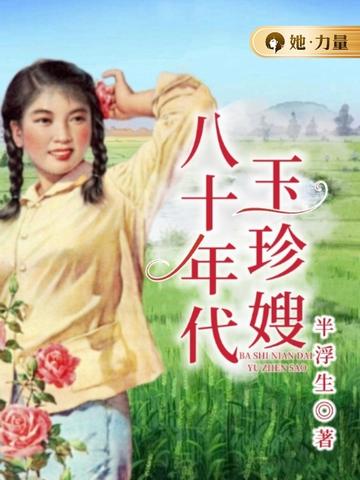
In 1979, 30-year-old Jin Yuzhen joined hands with the educated youth Liu Faqing and his family to take the lead in contracting the production team's oil mill. Her life had just started to improve, but she was heavily in debt after a fire burned down the oil mill. Jin Yuzhen paid off the debt by farming and selling vegetables and tobacco leaves, while Liu Faqing took a risk and was imprisoned for stealing the team's diesel.
However, her life was slightly stable and she was hit with a huge fine for overbirth, and Jin Yuzhen went into debt again. With the help of the old party secretary and workers who cast farm tools, Jin Yuzhen borrowed money to purchase the most advanced rice beating machine, bidding farewell to the old era of rice containing sand and bran powder during the collective era, and boldly purchased the national grain station granary.
Reader comments
This story should be the story of Yuanguan in the ancient town of Northwest China. In the 1980s, there were many rice factories in Shangyuanguan. The earliest and best one was probably Jin Yuzhen's family in the article. Jin Yuzhen is probably a pseudonym. Their family first made millet machines to earn processing fees, and later they used chainsaws to make wood, and finally opened a rice processing factory. At that time, Shangyuanguan was said to have "ten big children", and the eldest of them was their family. The story is quite true, and it demonstrates the care between people in that era and the spirit of women's hard work and struggle.
This story should be the story of Yuanguan in the ancient town of Northwest China. In the 1980s, there were many rice factories in Shangyuanguan. The earliest and best one was probably Jin Yuzhen's family in the article. Jin Yuzhen is probably a pseudonym. Their family first made millet machines to earn processing fees, and later they used chainsaws to make wood, and finally opened a rice processing factory. At that time, Shangyuanguan was said to have "ten big children", and the eldest of them was their family. The story is quite true, and it demonstrates the care between people in that era and the spirit of women's hard work and struggle.
Good book, a book I like to listen to.