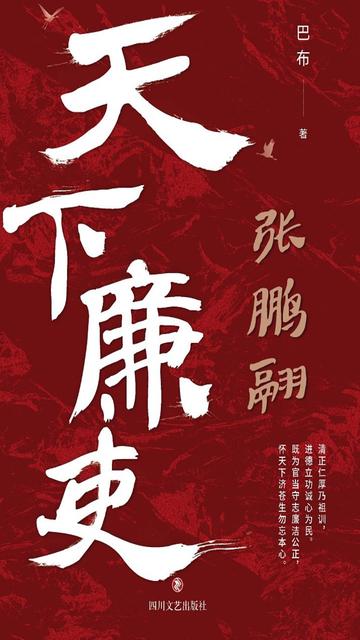
In the early Qing dynasty, a boy from the mountains with no illustrious family background or powerful backers endured a life of hardship, rising from the wilderness to the heart of imperial power. He was always at the center of danger, overcoming treacherous obstacles in one thrilling ordeal after another. He was devoted to the people and willing to suffer punishment for their sake. He never took sides or acted for personal gain. Through countless trials, he never lost the integrity of a scholar, and he worked tirelessly to govern. He signed the Treaty of Nerchinsk, pacified Mayi Island, investigated the examination scandal in Jiangnan, and controlled the Yellow River, contributing to the great achievements of the Kangxi golden age. In 55 years as an official, he held more than 20 posts, rising from provincial governor to a high-ranking court minister. The Outcast, second only to the emperor and above all others, he became Viceroy of Liangjiang, Commissioner of River Conservancy, Minister of Personnel, Grand Secretary of the Wenyuange Hall, and Junior Guardian to the Crown Prince. History remembers him as the Chancellor of Suining. Yet when he died, he had not a penny to his name and no money for his burial. Kangxi called him "the most incorruptible official under heaven, with no equal." Yongzheng praised him as "an outstanding paragon of virtue for his age."