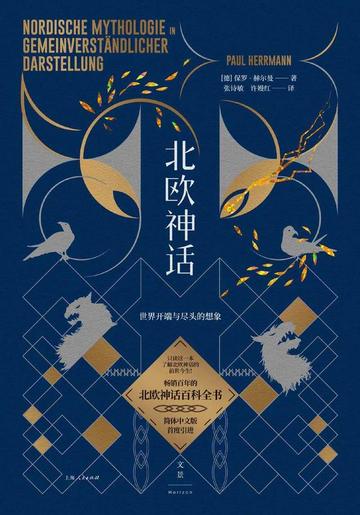
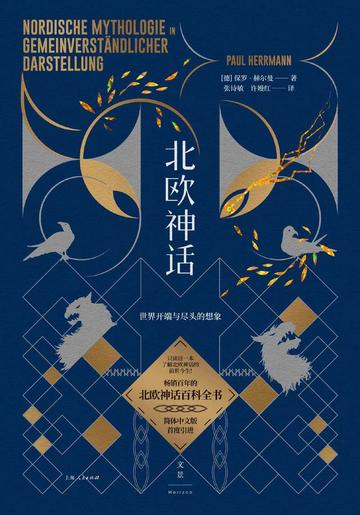
With his extensive and profound research, Paul Hermann, a famous German classics scholar, collected folklore and customs from Iceland, Norway, and Sweden, and deeply explored traditional documents such as the Poetic Edda, the Legend of Iringa, and Iceland's Prehistoric Legends. With the support and elaboration of archeology and etymology, he constructed a comprehensive and comprehensive summary of Nordic mythology.
The gods in the Scandinavian legends appear on the page one by one: the Æsir, the Valkyries, Wotan and Odin, Freya and Frigga, the sky gods Theus and Tyr, Baldr, Thor and Loki. Nordic mythology is an animistic belief. In addition to gods, nature is also full of gods: elves, goblins, dwarfs, and giants in the mountains, rivers, and swamps. Ancestor worship and the belief in the immortality of the soul are also popular in the Nordic peoples, so there are also various legends about patron saints and household gods, dead souls and incubus. Various folklore and stories about them are an inexhaustible source of inspiration for fairy tales, dramas, fantasy literature, and operas.