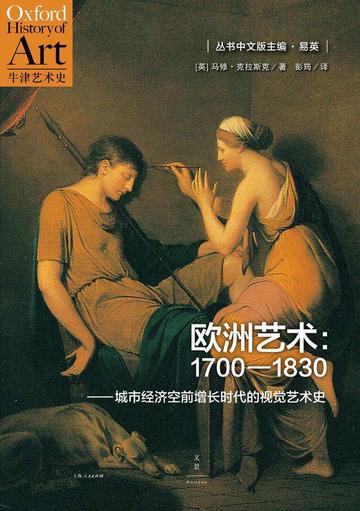
From the 18th to the 19th centuries, Europe experienced unprecedented economic growth and drastic social changes. The process of urbanization has continuously broadened the social pathways to wealth and power. European art during this period also experienced earth-shaking changes. The tradition of Renaissance art collapsed and was replaced by completely different art forms, styles and emotions. Visual art has become a medium of equal communication, the scope of the public group of art has expanded, and the debate on art quality standards has become increasingly fierce; artists no longer just serve the pleasure of a few people, they are looking for new ways of creation, new ways of selling, and new ways of talking about art; at the same time, the great differences in economic development in various regions have also led to an astonishing diversity of cultural attitudes in artistic works, and unified "European art" no longer exists. Facing such a complex and turbulent era, the terms "Rococo", "Neoclassicism" and "Romanticism" alone are no longer enough to explain the artistic development of this period. The author of this book boldly puts aside clichéd terminology, brings the gaze that has been superficial to the work in the past back to the origin of historical viewing, and vividly presents the panorama of European art under the influence of huge economic and social changes.