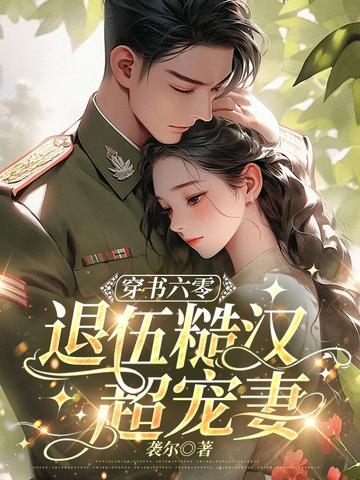
The 1960s, raising a child, daily life, married first and fell in love later, pampering, punishing villains, face-slapping
Su Nian dies at forty from overwork.
When she opens her eyes again, she has become a fallen landlord’s daughter in a period novel, a woman in dire straits and an insignificant side character who has no part in the plot.
The book tells the rousing story of a reborn heroine who battles her bizarre in-laws and vicious sisters-in-law, kicks her scumbag husband to the curb and runs off pregnant, then struggles her way to becoming a domineering female CEO.
The original owner was the heroine’s third sister-in-law, who ran away from her wedding. Born into a landlord family everyone looked down on, she was sent to Little Black Mountain for reform after refusing the marriage, and died a miserable death in less than a month.
Her hapless destined husband, a soldier discharged due to injury, was also abused by his family and died a miserable death.
So should she follow the plot and hurry up and die miserably? Not a chance. She wants to live.
Run away alone and brave the world? Please. In an era that glorifies poverty, if a landlord’s daughter like her dares to build a comfortable, prosperous life, she’ll surely be arrested and thrown in jail.
And how can her hapless destined husband, a battle-hardened hero who has risked his life for others and stands head and shoulders above the rest, be allowed to die at the hands of his own people?
He’s a hero. He has to be saved. Heaven has given her the chance to serve her country, and she can’t let it go to waste.
She’s going to enjoy a good life too. She’ll deal with her wicked in-laws and take on every kind of villain. At first, she plans to get rich through her own hard work, farming and raising pigs, trading sweat for rice and fish, and living the most down-to-earth life a farm girl could wish for.
But her hapless destined husband is ambitious and determined to have her live in a military family compound, enjoying a comfortable life of tending flowers, walking the dog, and drinking coffee.
That would be fine, except can someone explain why the heroine is shipping her with her hapless destined husband right in front of her, and even begging them to be lovey-dovey?
The author writes about the 1960s, but he doesn't even know what the 1960s was like. There are some private clothing stalls, and you can get tractors on the roadside. I thought it was like in the 1960s, you could get a taxi at any time like in modern times, but the taxi turned into a tractor. It feels so funny.
It's hard to describe the era's writing [cover face] When withdrawing money, you actually used your ID card [cover face] [cover face] Were there still ID cards in the 1960s? The author should take a closer look at the consumption level in the 1960s...
It looks great, come on!
There are so many great things that I'm tired of reading them, so I gave up writing them.
 Stockpiling Goods in the Apocalypse: After Rebirth, Start a Boss Game
 Reborn: The Tragic Supporting Actress Sets Her Sights on the Male Lead
 The General's Eldest Daughter-in-Law Flees Famine, Saves Children with a Supermarket, and Becomes Queen
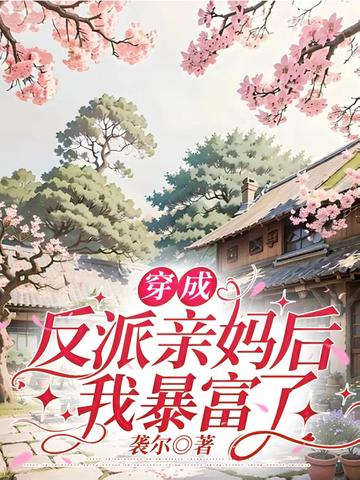 After Binding Myself to a Fierce Old Lady from the ’70S, I Completely Changed Her Image
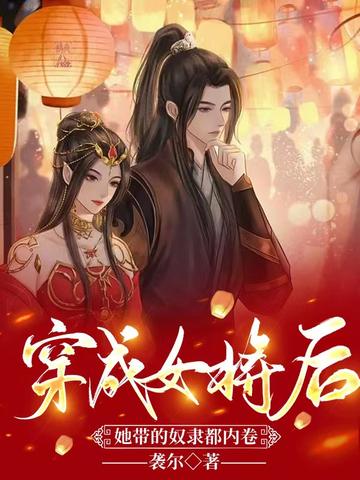 After Becoming a Female General, All the Slaves Under Her Turned into Workaholics
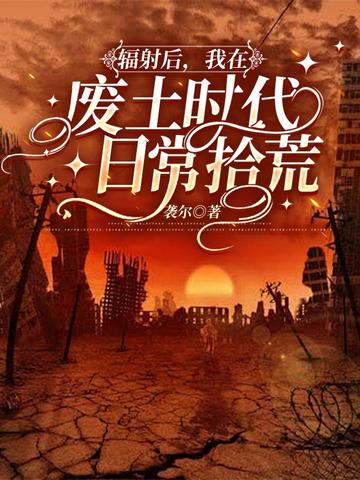 After the Radiation, I Scavenge the Wasteland Every Day
The author writes about the 1960s, but he doesn't even know what the 1960s was like. There are some private clothing stalls, and you can get tractors on the roadside. I thought it was like in the 1960s, you could get a taxi at any time like in modern times, but the taxi turned into a tractor. It feels so funny.
It's hard to describe the era's writing [cover face] When withdrawing money, you actually used your ID card [cover face] [cover face] Were there still ID cards in the 1960s? The author should take a closer look at the consumption level in the 1960s...
It looks great, come on!
There are so many great things that I'm tired of reading them, so I gave up writing them.
The story is smooth and interesting.
Very nice, I like it