In the ancient cosmos, writing was born. From oracle bone script to the evolution of Chinese characters,
the secrets of bamboo slips and silk, the writing materials of antiquity; the development and impact of printing, one of the Four Great Inventions.
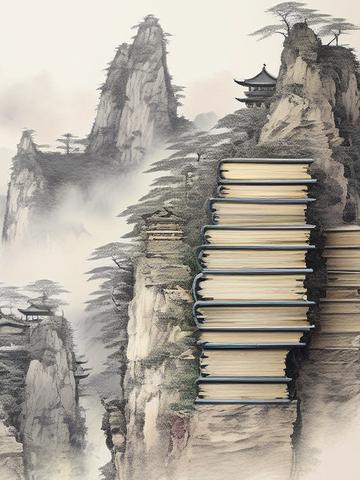
Sailing across a sea of books: ancient libraries and the culture of collecting books. The power of the classics, with the Five Classics shining their light:
the wisdom of the Book of Changes, the Book of Songs, the Book of Documents, the Book of Rites, and the Spring and Autumn Annals; monumental histories, from the Records of the Grand Historian to the compilation and lessons of the Twenty-Four Histories.
The light of philosophy: conversations among the classics of Daoism, Confucianism, and Buddhism. Medicine and alchemy: the ancient texts’ ways to health and longevity.
Literary splendor: the charm of the Book of Songs and the Songs of Chu, classical Chinese poetry, and the brilliance of the Eight Great Prose Masters of the Tang and Song dynasties, masters of the essay form.
New voices in verse and rhyme: the transformations of Yuan drama and Ming and Qing novels. The art of opera and shadow puppetry, from classical theater to shadow plays.
The inheritance of art: calligraphy and painting from a shared source, and the fusion of Chinese calligraphy and painting. The four arts of the ancient literati, and their philosophy of life: music, chess, calligraphy, and painting.
Tea and Zen as one: the cultural fusion of tea drinking and Zen Buddhism. Traditional festivals: records of the seasons and customs in the classics.
The classics and contemporary society: putting the past to use in the present, and applying the classics to modern life.
Protecting and passing on the classics: the responsibility and mission of people today. The future of the classics: innovation and development in the digital age.
Exchanges among the classics from a global perspective, and the spread and influence of Chinese culture.