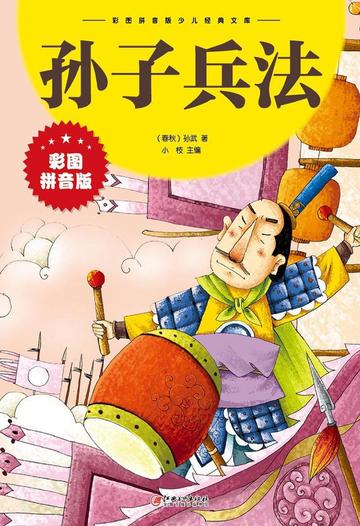
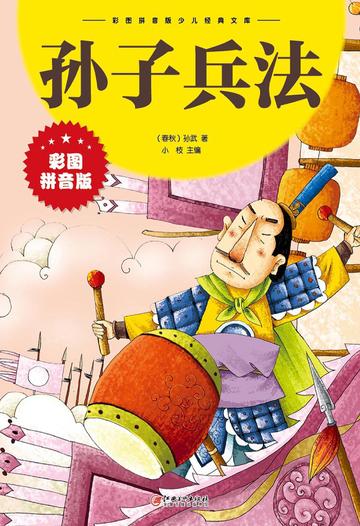
The thirteen chapters of "The Art of War" involve all aspects of military theory and practice. The content is extensive and profound, and the logic is rigorous and rigorous. It is not only a treasure in my country's ancient military cultural heritage, but also an important part of my country's excellent traditional culture. While showing ancient Chinese military art and Eastern wisdom, thought and culture, it also depicts a historical picture of the integration of politics, military and the emotions of people from all walks of life during the Warring States Period in China two thousand years ago. It is regarded as a military classic in China. The reason why "The Art of War" has everlasting charm and exerted a huge influence across time and space is mainly because the author Sun Wu used simple materialism and dialectical thinking as weapons to make comprehensive observations and reflections on the phenomena of ancient warfare, and constructed a magnificent palace of ancient military theory. This book excerpts famous military stories from "The Art of War" by Sun Tzu. The whole book is popular, smooth and exciting. Classic battle examples such as Yue Fei's victory over the Iron Tower soldiers and Zhuge Liang's empty city strategy to scare off Sima Yi are explained in such an immersive way that it feels like being on the battlefield, watching the warring parties mobilize their troops and horses, fighting bloody battles, and interpreting the profound thoughts of the art of war amidst the thundering sounds of fighting.