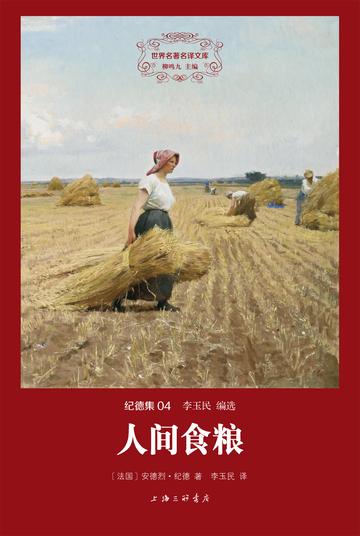
It is a collection of two prose works by Gide: The Food of the World (1897) and The New Food (1935).
Known as the "Bible of the restless generation", the author uses his wanderings in Africa as a clue and a virtual goddess as the object of his confide. He describes exotic customs and expresses his feelings about life. It is a manifesto for Gide to vent his youthful passion and pursue happiness. It is filled with a kind of primitive and instinctive impulse, recording the original state of impulse when the instinct pursues happiness; and this original state of impulse gives people a primitive texture, with rough, natural, innocent and lively characteristics, and is recognized by the younger generation.
"New Food" once again promotes the power of "emotion" and praises the passion for life as sacred as religion. The author wrote: "For me, happiness is not only a natural need as it was in the past, but also a moral obligation." "My happiness lies in adding to the happiness of others. I rely on the happiness of everyone to achieve personal happiness."
Reader comments
Gide's "The Food of the World" is like a manifesto of youth, full of the pursuit of happiness and passion for life. The words in the book are primitive and instinctive, making people feel a rough, natural, innocent and vivid power. I particularly liked the book's perspective on happiness, which made me understand that personal happiness and the happiness of others are interrelated. This is not only a book about literature, but also a book about life, which is worth reading.
Gide's "The Food of the World" is like a manifesto of youth, full of the pursuit of happiness and passion for life. The words in the book are primitive and instinctive, making people feel a rough, natural, innocent and vivid power. I particularly liked the book's perspective on happiness, which made me understand that personal happiness and the happiness of others are interrelated. This is not only a book about literature, but also a book about life, which is worth reading.