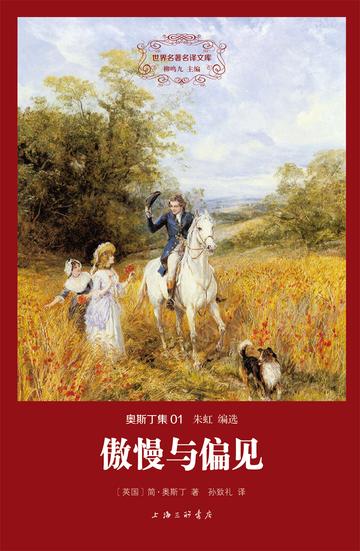
"Pride and Prejudice" is Jane Austen's masterpiece. This work uses daily life as the material, contrary to the content and artificial writing methods of sentimental novels popular in the society at that time, and vividly reflects the conservative and closed-off British rural life and world conditions from the end of the 18th century to the beginning of the 19th century. This social style novel not only attracted a large number of readers at the time, but also provides readers with unique artistic enjoyment today. This book has been adapted into movies many times.
Reader comments
"Pride and Prejudice" is a classic that spans the ages. It is never a simple romance novel, but a game about dignity and love. With delicate yet sharp strokes, Austen vividly unfolds the picture of marriage and love among the English gentry in the eighteenth century.
Elizabeth's sobriety and independence are exemplary. She is not coerced by wealth and class, and dares to face her inner prejudices; Darcy uses a shell of arrogance to hide his sincerity, and after running into walls again and again, he learns to put down his dignity and face himself. From tit-for-tat to mutual sympathy, every confrontation between the two hides a rebellion against the secular view of marriage and love.
There is no grand plot in the book, but it uses detailed daily life and exquisite dialogues to reveal the true meaning of love: only when the souls are in harmony can we withstand the troubles of the world. You will never tire of reading it, and you will get a new taste every time you read it.
"Pride and Prejudice" is a classic that spans the ages. It is never a simple romance novel, but a game about dignity and love. With delicate yet sharp strokes, Austen vividly unfolds the picture of marriage and love among the English gentry in the eighteenth century. Elizabeth's sobriety and independence are exemplary. She is not coerced by wealth and class, and dares to face her inner prejudices; Darcy uses a shell of arrogance to hide his sincerity, and after running into walls again and again, he learns to put down his dignity and face himself. From tit-for-tat to mutual sympathy, every confrontation between the two hides a rebellion against the secular view of marriage and love. There is no grand plot in the book, but it uses detailed daily life and exquisite dialogues to reveal the true meaning of love: only when the souls are in harmony can we withstand the troubles of the world. You will never tire of reading it, and you will get a new taste every time you read it.