The "Nine Elders and Eighteen Craftsmen" is a general term used in Chinese folk culture for artisans who make their living through their skills.
The Nine Elders include pig castrators, butchers, cattle castrators, wall builders, oil-press makers, barbers, pot menders, foot doctors, and suona players.
The Eighteen Craftsmen include goldsmiths, silversmiths, coppersmiths, blacksmiths, tinsmiths, carpenters, bricklayers, kiln workers, stonemasons, lacquerers, cotton flufferers, bamboo weavers, sculptors, painters, dyers, brewers, hoop-makers, and leatherworkers.
These artisans traveled from village to village, serving the locals with their skills and playing an important part in their daily lives.
They were not only folk artists, but also bearers of thousands of years of Chinese culture.
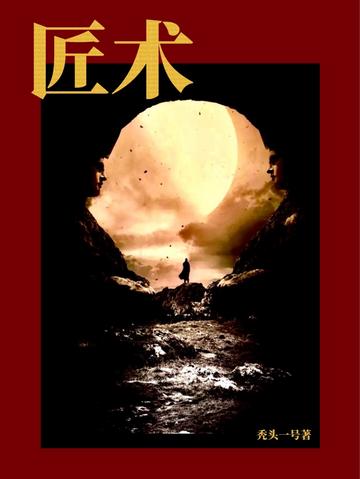
Of course, every Chinese person knows all that. But how many people know about the "Nine Craftsmen, Six Hands, and Two Masters" of the Yin Sect?
The so-called Yin Sect consists of people who work for the dead. They take care of the funeral affairs of the locals, from those of princes and nobles to those of beggars on the street.
Their trades may differ, but they are all closely connected. Not one can be done without. Anyone in the business of making a living from the dead can be called a member of the Yin Sect.
The best of them are collectively known as the "Nine Craftsmen, Six Hands, and Two Masters of the Yin Sect."
The Nine Craftsmen are the shroud maker, paper effigy maker, coffin maker, tombstone carver, corpse stitcher, grave builder, executioner, corpse transporter, and suona player.
The Six Hands are the face shaver, night watchman, corpse retriever, coffin bearer, village guardian, and corpse carrier. The Two Masters are the chief coroner and the chief ritual master.




Not bad 👌Come on