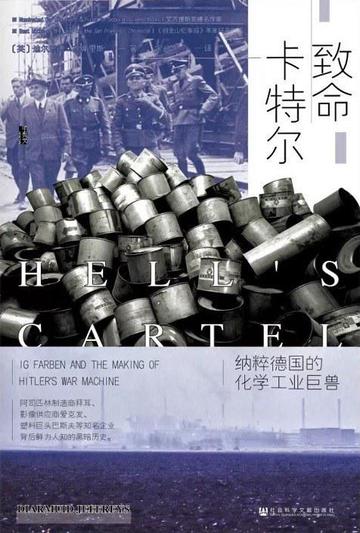
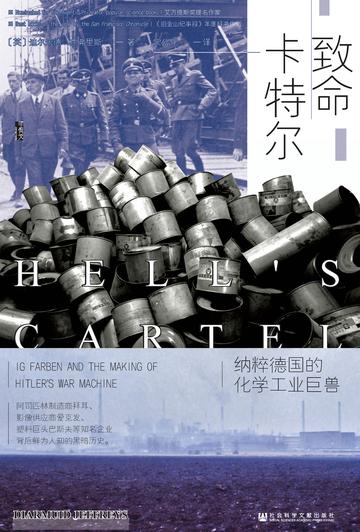
★ How did industrial giants integrate and coexist with the Nazis? ★ Why were senior managers sent to war tribunals? ★ Who produced the poison gas in the concentration camp massacre? ★ Reveal the little-known dark history behind Nazi Germany's chemical industry. The little-known dark history behind aspirin manufacturer Bayer, imaging supplier Agfa, plastics giant BASF and other well-known companies. Avantis Award Nominated Writer "San Francisco Chronicle" Best Book of the Year Author In 1925, in order to cope with the increasingly fierce international competition and protect their business interests, Germany's six largest chemical companies united and jointly established the dye industry interest group, IG Farben. It immediately became one of the most powerful companies in the world at that time. Twenty years later, senior managers of this giant company were brought before the Nuremberg War Crimes Tribunal, because with their help, the unrealistic fantasies proposed by Hitler in "Mein Kampf" were finally realized. This military-industrial complex possessed the most advanced science and technology in the world at the time, but why did it turn into a man-eating beast in Hitler's hands, directly participating in the Holocaust and committing all kinds of bloody crimes? In The Deadly Cartel, Diarmid Jeffries charts for the first time IG Farben from its founding in the 19th century, through the turmoil of the First World War, to the company's decisive role in the Second World War. Drawing on extensive research and original interviews, Jeffries digs into new dimensions of the interdependence of industry and the Third Reich, uncovering the little-known dark history of IG Farben in Nazi Germany.