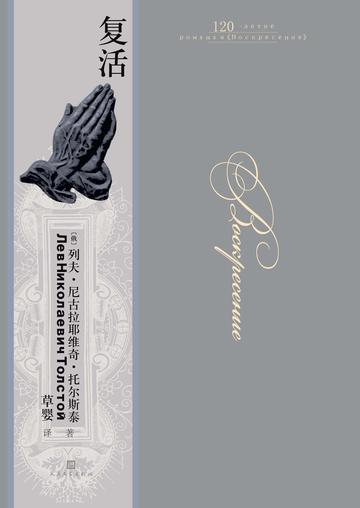
"Resurrection" is Tolstoy's last novel, a summary of the writer's life exploration and thoughts, and is known as the peak of the development of Russian critical realism. Through Maslova's suffering and Nekhludoff's appeal process, the novel extensively and profoundly criticizes the corruption and darkness of courts, prisons, and bureaucracies. It exposes the extravagant and luxurious life of the feudal ruling class and the cruelty, stupidity and inhumanity of reactionary officials. It tears off the hypocrisy of the official church, reflects the bankruptcy of the countryside and the extreme poverty of the farmers, and outlines a social picture of a serfdom Russia that is on the verge of collapse.
Reader comments
This book touched me deeply. It showed the dark side of society with profound insight and delicate description. I like the plot in the book where Nekhludoff appeals for Maslova, and I feel his inner struggle and pursuit of justice. Tolstoy's words are like a clear spring flowing in the hearts of readers, making people think more about life and society. This is not only a literary classic, but also a profound exploration of human nature and social reality, which is worth reading again and again.
It feels like Nekhludoff is me, but am I resurrected?
This translation is very smooth and the meaning is conveyed very clearly.

This book touched me deeply. It showed the dark side of society with profound insight and delicate description. I like the plot in the book where Nekhludoff appeals for Maslova, and I feel his inner struggle and pursuit of justice. Tolstoy's words are like a clear spring flowing in the hearts of readers, making people think more about life and society. This is not only a literary classic, but also a profound exploration of human nature and social reality, which is worth reading again and again.
It feels like Nekhludoff is me, but am I resurrected?
This translation is very smooth and the meaning is conveyed very clearly.