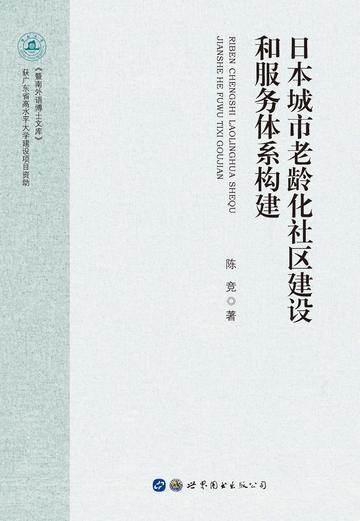
This book first summarizes and organizes the current research status of the research on the concept of community, overseas research on Japanese communities, village community theory, geographical organization and other related research. Secondly, from the perspective of a super-aging society, focusing on Japan's social welfare security system, community service system, and the current status and problems of residents' autonomous organization activities, it explains the many difficult-to-solve problems and confusions caused by the government and enterprises due to their own operating characteristics, and the need for citizen groups to join in community construction to play the role of "lubricant". Finally, taking the "Suzuki Kai" and "Nogawa Seven" of Kawasaki City, a citizen activity group, as an example, the organization's formation and main activities, system management and operations, and the construction process of the citizen/resident mutual aid network are described. The operation model of its overall service network and the impact it has on the Nogawa community, Miyamae Ward, Kawasaki City, and even the country are analyzed.
Reader comments
The view of citizen groups joining community building mentioned in the book was very enlightening and made me realize that community building requires joint efforts from all parties. Moreover, the case analysis in the book is also very detailed, which gave me a deeper understanding of the construction of the community service system. I think this book is of great reference value for people who care about aging issues.


The view of citizen groups joining community building mentioned in the book was very enlightening and made me realize that community building requires joint efforts from all parties. Moreover, the case analysis in the book is also very detailed, which gave me a deeper understanding of the construction of the community service system. I think this book is of great reference value for people who care about aging issues.