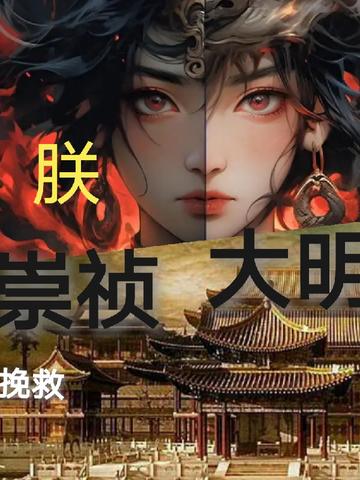
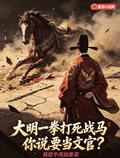
In 1634 AD, Li Ming traveled through time and space and transformed into an emperor with vast territories under his control, with millions of mountains and rivers under his control. However, with the countdown to the year of destiny, there are only seven years left, and the disaster of Meishan is looming.
At that time, foreign troubles were like wolves and tigers, and slaves were harassing the borders; internal troubles were like ants eroding the embankments, and rogue bandits were high in the auspicious wind sweeping through the Central Plains. The court was filled with hypocrites, and the national treasury was empty, with almost no food to eat. I ask myself: Can the ship of the Ming Dynasty still turn the tide?
Therefore, I worked hard to build an iron wall for the new army; I purged the officials and eliminated the treacherous and treacherous insects. Commercial taxes were levied at the same time, trade prospered, and the national treasury gradually became richer; people were divided into acres, fire expenses were returned to the public, and scholars, farmers, industry and merchants worked together to help each other. In the snowy land of the northern border, Jian Nu was defeated and soldiers were arrayed in Siberia; in the southern seas, Luzon returned home, and the bright sails on Malacca were dimly visible. The mountains of Japanese islands are full of gold and silver, and the vastness of the United States and Australia is under the system of granting rewards. People all over the world admire the power of the Ming Dynasty.
What I care about is not the infamy behind my life, nor the level of my means. I only hope that the Han Dynasty will be revived and China will be revived in the magnificent era of great navigation. Not afraid of death, not afraid of criticism, aiming for a thousand miles, vowing to push the Ming Dynasty to the peak of glory.
Reader comments
These words are all ancient sayings, which sound interesting.
The story is good, but a bit depressing. It feels like the teacher is lecturing and explaining while reading classical Chinese.
The author's writing is rich, the story is exciting, the pace is tight, and the writing is impeccable. It is worth reading!
However, the ending is too hasty. I wonder why the author did it?
These words are all ancient sayings, which sound interesting.
The story is good, but a bit depressing. It feels like the teacher is lecturing and explaining while reading classical Chinese.
The author's writing is rich, the story is exciting, the pace is tight, and the writing is impeccable. It is worth reading! However, the ending is too hasty. I wonder why the author did it?