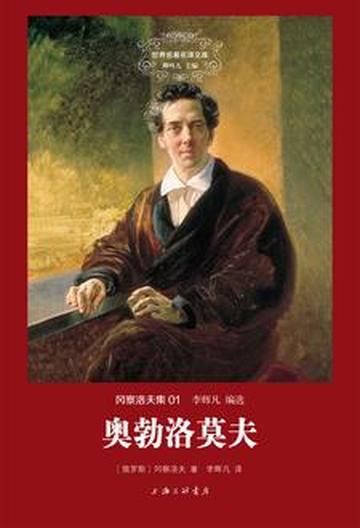
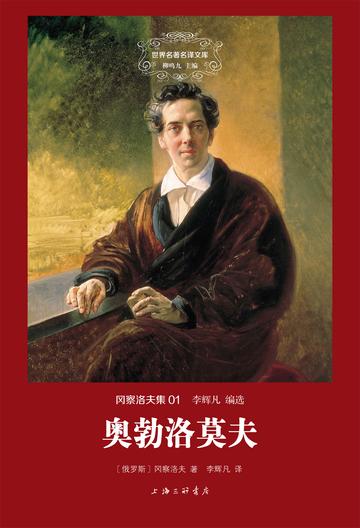
"Oblomov" was created more than a hundred years ago and is Goncharov's masterpiece. The novel creates a typical "Oblomov character" and reveals the profound social and life roots of Oblomov's tragedy of self-destruction. Oblomov is upright, kind, and gentle, but he is lazy, indulged in fantasy, inactive, conservative, and pampered, and regards labor and public duties as unbearable burdens. Although he envisioned a huge action plan, he was unable to accomplish anything. In the end, he could only lie on the sofa and dawdle, becoming a complete lazy man and waste. The novel delicately describes his spiritual death process and expresses the strong anti-serfdom sentiment and desire for change in society on the eve of serfdom reform. Oblomov is a product of the collapse of serfdom, and his character is the inevitable result of the influence of lifeless manor life on his spiritual life. His image marks the limit of the degeneration of Russia's "superfluous people" in the 19th century. He is a typical example of a declining landlord. This is also the most successful aspect of the novel. This image marked the end of the image of the "superfluous man" in Russian literature in the 19th century.