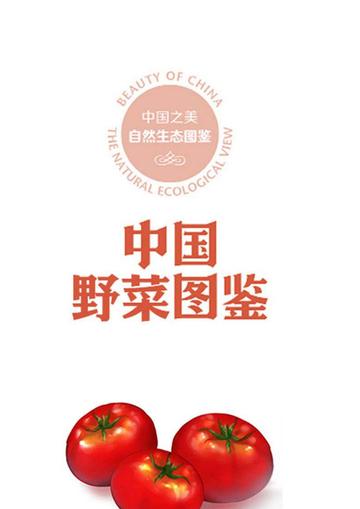
"Illustrated Guide to Chinese Wild Vegetables" is one of the series of works titled "Illustrated Guide to the Beauty of China and Natural Ecology". This series of books closely follows the theme of "China". From the perspective of popularizing natural science, it scientifically, systematically and comprehensively presents all China's native wild edible plants to readers. It is a great collection of Chinese wild vegetables that is highly informative, ornamental and valuable for collection.
The "Illustrated Guide to Chinese Wild Vegetables" is divided into three chapters: herbal, woody, and vine, and introduces more than 530 species of Chinese wild vegetables. Each type provides a detailed introduction to the name, nickname, main distribution area, Latin text of wild vegetables, as well as detailed appearance, edible parts, eating methods, and key points for identification in the wild.
Each wild vegetable described in "Chinese Wild Vegetables Illustrated Book" is accompanied by hand-drawn color illustrations, including pictures of the whole plant and detailed analysis of each part.
"Chinese Wild Vegetables Illustrated Guide" comes with a concise content index at the back of the book for easier reference by readers.
"Chinese Wild Vegetables Illustrated Book" allows readers to understand the knowledge of Chinese wild vegetables in an intuitive and detailed manner. It is extremely practical and has exquisite hardcover binding, making it suitable for family reading and collection.
Reader comments
For example, the book says, "The leaves of purslane are like purslane and taste a little sour." This sentence is so vivid that I immediately remembered the appearance of purslane. Moreover, there are instructions on how to eat each wild vegetable, which feels very practical. I want to recommend this book to my mother, so that we can dig wild vegetables together in the future!

For example, the book says, "The leaves of purslane are like purslane and taste a little sour." This sentence is so vivid that I immediately remembered the appearance of purslane. Moreover, there are instructions on how to eat each wild vegetable, which feels very practical. I want to recommend this book to my mother, so that we can dig wild vegetables together in the future!